
Pediatrics just published the final version of my paper “Tobacco Use Among Middle and High School Students: 2025 National Youth Tobacco Survey.” They key observations are: Overall youth tobacco use is continuing to decline The two most commonly used products are e-cigarettes and nicotine pouches The decline in overall tobacco use is manifest across allContinue reading “Pediatrics publishes 2025 NYTS results that highlight problems with FDA’s permissive policy toward e-cigarettes and nicotine pouches”
Tag Archives: news
Some Thai e-cig use despite ban on imports and sales

Roengrudee Patanavanich, her Thai colleagues, and I just published “Patterns of e-cigarette use by sex and age in Thailand: The National Health Examination Survey 2024–2025” that provides detailed statistics on cigarette and e-cigarette use in Thailand, a country that does not allow import and sale of e-cigarettes. We found current e-cigarette use among 5.3% ofContinue reading “Some Thai e-cig use despite ban on imports and sales”
2025 NYTS highlights problems with FDA’s permissive policy toward e-cigarettes and nicotine pouches
In April 2025, as part of its attack on the federal government’s tobacco control efforts, the Trump Administration pulled the plug on data collection for the 2025 National Youth Tobacco Survey (NYTS), a large national survey of middle and high school tobacco use the CDC — later joined by the FDA — had been runningContinue reading “2025 NYTS highlights problems with FDA’s permissive policy toward e-cigarettes and nicotine pouches”
E-cigarettes increase harm and should be discouraged (new paper)

Pam Ling and I recently published “E-cigarettes increase harm and should be discouraged” in Nature Human Behavior that summarizes the current evidence on e-cigarettes. The Introduction sums up the paper: Ever since they were introduced, arguments that e-cigarettes reduce tobacco harm have hinged on three assumptions: (1) nicotine aerosol from heating a liquid rather thanContinue reading “E-cigarettes increase harm and should be discouraged (new paper)”
Local flavor bans followed by big drops in youth e-cig use
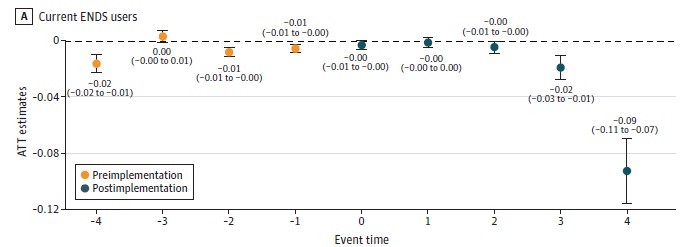
The evidence that comprehensive flavor bans are followed by drops in tobacco consumption keeps piling up. A new study by Giovanni Appolon, and colleagues, Local Flavored Tobacco Bans and Youth Electronic Nicotine Delivery Systems Use, of 2.8 million California middle and high school students across 483 local jurisdictions found that local flavored tobacco bans thatContinue reading “Local flavor bans followed by big drops in youth e-cig use”
MAHA claims that nicotine is good for you echo decades of tobacco industry propaganda

The New York Times recently highlighted how many “Make America Healthy Again” influencers are promoting the benefits of nicotine, including reversing Alzheimer’s Disease and improving cognition. While we don’t know what role the tobacco companies are playing in this latest resurgence of claims that nicotine is a beneficial substance that poses little or no risk,Continue reading “MAHA claims that nicotine is good for you echo decades of tobacco industry propaganda”
FDA adds 18 chemicals to list of harmful constituents in tobacco products, including propelyene glycol and vegetable glycerine

The FDA is required to maintain a list of “Harmful and Potentially Harmful Constituents” (HPHC) in tobacco products. The original list was released in 2012 and was mostly toxicants in cigarette and other tobacco smoke and smokeless tobacco. In particular, this list did not include important compounds in e-cigarettes and other “new” tobacco products. InContinue reading “FDA adds 18 chemicals to list of harmful constituents in tobacco products, including propelyene glycol and vegetable glycerine”
Nicotine pouches maintain the nicotine market for tobacco companies
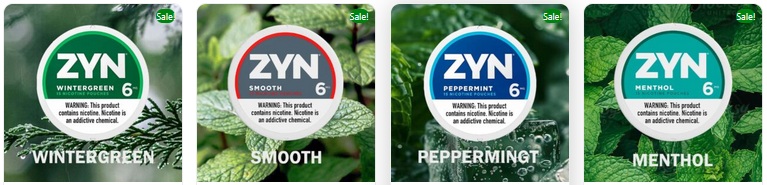
Nicotine pouches (like ZYN and on!) are being touted by some advocates as a “harm reduction” alternative to smoking cigarettes. Kelvin Choi and colleagues examined whether this happens in real life in their new paper “Patterns of tobacco product use among US adults who use nicotine pouches and the association between nicotine pouch use andContinue reading “Nicotine pouches maintain the nicotine market for tobacco companies”
DOJ should have been able to easily release properly redacted Epstein files by December 19, 2025 based on our experience managing the UCSF Industry Documents Library

The issue of redactions – both redacting names of victims and not redacting participants in Jeffery Epstein’s “social circle” — documents has been in the news. There have also been questions about why it took so long for DOJ to release around 3.5 million pages of documents, plus about 2,000 videos and 180,000 images. WorkingContinue reading “DOJ should have been able to easily release properly redacted Epstein files by December 19, 2025 based on our experience managing the UCSF Industry Documents Library”
FDA broke the law when it did not allow TPSAC to vote on whether to allow PMI to make modified risk claims for ZYN

The FDA held a meeting of its Tobacco Products Scientific Advisory Committee (TPSAC) on January 22, 2026 to discuss Swedish Match’s application to make the modified risk tobacco product (MRTP) claim for its ZYN flavored nicotine pouches “Using ZYN instead of cigarettes puts you at a lower risk of mouth cancer, heart disease, lung cancer,Continue reading “FDA broke the law when it did not allow TPSAC to vote on whether to allow PMI to make modified risk claims for ZYN”

