
In April 2025, as part of its attack on the federal government’s tobacco control efforts, the Trump Administration pulled the plug on data collection for the 2025 National Youth Tobacco Survey (NYTS), a large national survey of middle and high school tobacco use the CDC — later joined by the FDA — had been runningContinue reading “2025 NYTS highlights problems with FDA’s permissive policy toward e-cigarettes and nicotine pouches”
Category Archives: tobacco control programs
We support California’s updated”Unflavored Tobacco List” and suggest some improvements

The California Attorney Genera maintains an official “unflavored tobacco product list” to facilitate implementation and enforcement of the state’s flavored tobacco product ban. The AG proposed “readopting” an undated list. We support that proposal and made a few suggestions for improving it. A PDF is available here. This is an excellent model for other states,Continue reading “We support California’s updated”Unflavored Tobacco List” and suggest some improvements”
FDA should drop its draft guidance to allow some sales of flavored e-cigs because it ignores evidence that harm to youth outweighs theoretical benefits to adults

My colleagues and I just submitted this public comment to FDA opposing its proposal to allow sales of flavored e-cigarettes and other electronic nicotine delivery systems (ENDS) on the grounds that benefits to adults would outweigh harms to kids. It also presents evidence that two-way communication between ENDS and external agencies (that could include ENDSContinue reading “FDA should drop its draft guidance to allow some sales of flavored e-cigs because it ignores evidence that harm to youth outweighs theoretical benefits to adults”
I surprised Michael Smerconsih when he interviewed me about UK generational smoking ban
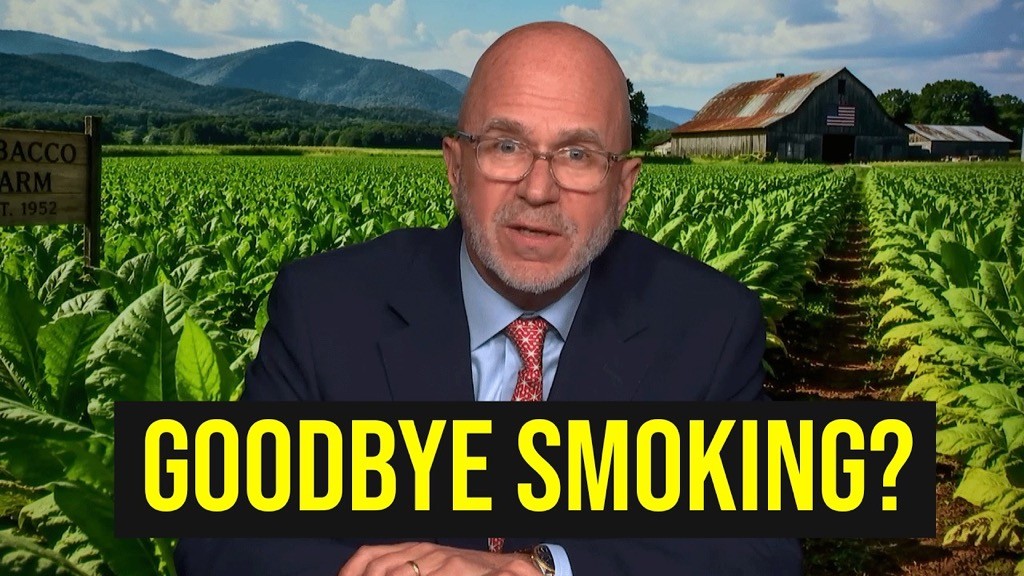
On April 23, 2026, Michael Smerconsih interviewed me about the UK Generational Smoking ban. I surprised him by arguing that generational smoking bans are bad public policy because they divert resources from more effective tobacco control policies that had faster public health benefits. I am also skeptical that they will be maintained in the longContinue reading “I surprised Michael Smerconsih when he interviewed me about UK generational smoking ban”
Local flavor bans followed by big drops in youth e-cig use
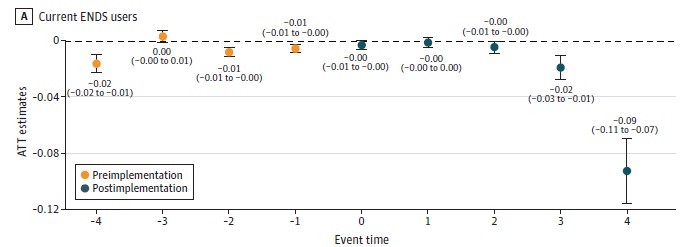
The evidence that comprehensive flavor bans are followed by drops in tobacco consumption keeps piling up. A new study by Giovanni Appolon, and colleagues, Local Flavored Tobacco Bans and Youth Electronic Nicotine Delivery Systems Use, of 2.8 million California middle and high school students across 483 local jurisdictions found that local flavored tobacco bans thatContinue reading “Local flavor bans followed by big drops in youth e-cig use”
California’s “Unflavored Tobacco List” will improve compliance with and enforcement of flavored tobacco ban
Last year California passed AB 3218 to tighten up and simplify compliance with and enforcement of California’s ban on the sale of flavored tobacco products. Part of this was to have the Attorney General establish and maintain an Unflavored Tobacco List (UTL) that included those tobacco products that could be sold legally in California. toContinue reading “California’s “Unflavored Tobacco List” will improve compliance with and enforcement of flavored tobacco ban”
Spinola et al support Brazil’s e-cigarette ban while defending implementation criticism

Shortly before the 11th WHO Framework Convention On Tobacco Control Conference of the Parties in November 2025, Vitoria Borges Spinola, Lucas Porto Santos, Hamilton Roschel, Bruno Gualano, and Megan E. Roberts published “Weak enforcement of Brazil’s E-cigarette ban and the expansion of a dangerous illicit market” in The Lancet Regional Health – Americas arguing thatContinue reading “Spinola et al support Brazil’s e-cigarette ban while defending implementation criticism”
Congress revives CDC Office on Smoking and Health

Last year the Trump Administration eliminated the CDC Office on Smoking and Health and fired the FDA Center for Tobacco Products leadership, paving the way for FDA to even more closely embrace the tobacco industry’s “harm reduction” marketing messages. OSH ran the effective “Tips from Former Smokers” advertising campaign, supports state health department tobacco controlContinue reading “Congress revives CDC Office on Smoking and Health”
E-cigarettes increase harm to smokers, so should not be promoted as a harm reduction strategy (in 10 slides) now available in 10 other languages

My blog post “E-cigarettes increase harm to smokers, so should not be promoted as a harm reduction strategy (in 10 slides)” has attracted a lot of interest, so I have translated it into 10 other languages. Click below to download. Español (Spanish) Français (French) Deutsch (German) Português (Portuguese) 中文 (Chinese) العربية (Arabic) Русский (Russian) 日本語 (Japanese)Continue reading “E-cigarettes increase harm to smokers, so should not be promoted as a harm reduction strategy (in 10 slides) now available in 10 other languages”
How e-cigarettes compromise children’s human rights

The new paper “How e-cigarettes compromise children’s human rights” by Tom Gatehouse and colleagues provides more evidence to inform e-cigarette policy making by reminding the delegates to the FCTC Conference of the Parties next week that they need to prioritize protecting kids over any “harm reduction” benefits for adults that the tobacco industry claims forContinue reading “How e-cigarettes compromise children’s human rights”

