In June 2025 the WHO released its new comprehensive WHO report on the global tobacco epidemic, 2025: Warning about the dangers of tobacco. The report contains detailed country-specific analysis and statistics about progress in reducing tobacco use, policies, and industry opposition. It is a valuable reference document. It recognizes that Overall, while progress since 2007Continue reading “New WHO report details progress and problems in global tobacco control”
Tag Archives: health
Cass Wheeler, former CEO of American Heart Association and a wonderful mentor, died

I was saddened to learn that on June 20, 2025, Cass Wheeler died, just short of his 85th birthday. Cass spent 35 years at the American Heart Association, serving as CEO from 1998 through 2008. I don’t remember when or how I first met Cass, but he became an important ally and mentor. As theContinue reading “Cass Wheeler, former CEO of American Heart Association and a wonderful mentor, died”
E-cigarette use during pregnancy increases risk for material and newborn problems
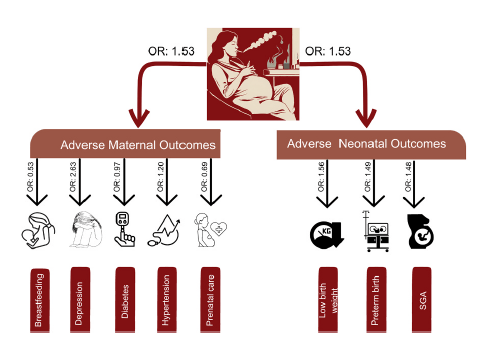
At a time when England is still encouraging pregnant women who smoke to switch to e-cigarettes, the evidence that e-cigarettes complicate pregnancy continues to grow. The recent meta-analysis “Associations between vaping during pregnancy and perinatal outcomes: A systematic review and meta-analysis” pooled the results of 25 studies published as of July 2024 and found aboutContinue reading “E-cigarette use during pregnancy increases risk for material and newborn problems”
Cannabis use linked to doubling in risk of cardiovascular disease death

Wilhelm Storck and colleagues new paper “Cardiovascular risk associated with the use of cannabis and cannabinoids: a systematic review and meta- analysis” published in Heart adds to the case that, far from being safe, cannabis use poses substantial risks. In an accompanying editorial, “It is time to treat cannabis as an important risk factor forContinue reading “Cannabis use linked to doubling in risk of cardiovascular disease death”
Smoked and edible cannabis both inhibit normal blood vessel function in people
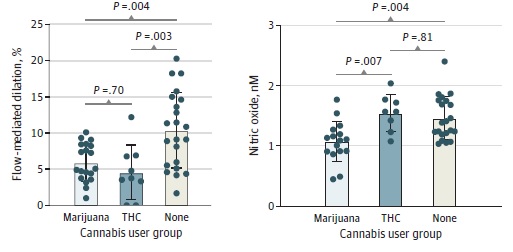
Our earlier epidemiology study linked cannabis use to cardiovascular disease in people. Because most people smoked cannabis in US population at the time, we could not distinguish the effects of inhaled cannabis from other forms of consumption, particularly edibles. Leila Mohammadi and her UCSF colleagues new paper “Association of Endothelial Dysfunction With Chronic Marijuana SmokingContinue reading “Smoked and edible cannabis both inhibit normal blood vessel function in people”
20 state attorneys general sue to block HHS cuts

Today (May 5, 2025) 20 Democratic state attorneys general filed a lawsuit to reverse President Trump and HHS Secretary Robert Kennedy Jr’s devastating cuts to the Department of Health and Human Services. The suit details the broad damage that the cuts are doing, with and emphasis on the states and, in many cases, the specificContinue reading “20 state attorneys general sue to block HHS cuts”
What will happen to CDC’s successful Tips from Former Smokers media campaign and 1-800-QUITNOW service?

In addition to the National Youth Tobacco Survey and other national surveys, the now-shuttered CDC Office on Smoking and Health (OSH) provided technical support and $82 million to support state health departments (zeroed out on April 26, 2025), provided through the National Tobacco Control Program, and prepared dozens of Surgeon General’s reports on smoking andContinue reading “What will happen to CDC’s successful Tips from Former Smokers media campaign and 1-800-QUITNOW service?”
San Francisco’s proposed Recovery First Drug Policy is a good idea

In September, San Francisco Supervisor Matt Dorsey introduced his “Recovery First Drug Policy” that states “The cessation of illicit drug use and attainment of long-term Recovery from Substance Use Disorders shall be the primary objective of the City’s drug policy.” The policy allows for other steps, including harm reduction, as part of a comprehensive approachContinue reading “San Francisco’s proposed Recovery First Drug Policy is a good idea”
Trump gives Big Tobacco a big gift: He killed the National Youth Tobacco Survey, blinding public, researchers, and policy makers to the effects of changing tobacco industry products and practices

The now-shuttered CDC Office on Smoking and Health (OSH) has conducted the National Youth Tobacco Survey since 1999. The survey provides important surveillance about how youth tobacco use is changing. After Congress created the FDA Center for Tobacco Products, it partnered with CDC to expand the scope and depth of the survey, including increasing detailsContinue reading “Trump gives Big Tobacco a big gift: He killed the National Youth Tobacco Survey, blinding public, researchers, and policy makers to the effects of changing tobacco industry products and practices”
Shuttering CDC and FDA tobacco offices will increase the deficit by billions of dollars (right away)

Trump shuttering the CDC Office on Smoking and Heath and decapitating the FDA Center for Tobacco Products will not only increase tobacco-caused disease but will also make the federal budget deficit worse (and cost American people and businesses a lot of money in avoidable medical costs). The only winners will be the big tobacco companiesContinue reading “Shuttering CDC and FDA tobacco offices will increase the deficit by billions of dollars (right away)”
 Stanton Glantz blog