
I just posted an updated version of my April 29, 2025 blog post “This is not the first time a sale of CBS caused problems for 60 Minutes” that now includes all the relevant videos, including the original 60 Minutes story that disclosed that network management was blocking the Jeff Wigand interview, Mike Wallace’s on-air comment,Continue reading ““This is not the first time a sale of CBS caused problems for 60 Minutes” updated”
Category Archives: tobacco companies
What will happen to CDC’s successful Tips from Former Smokers media campaign and 1-800-QUITNOW service?

In addition to the National Youth Tobacco Survey and other national surveys, the now-shuttered CDC Office on Smoking and Health (OSH) provided technical support and $82 million to support state health departments (zeroed out on April 26, 2025), provided through the National Tobacco Control Program, and prepared dozens of Surgeon General’s reports on smoking andContinue reading “What will happen to CDC’s successful Tips from Former Smokers media campaign and 1-800-QUITNOW service?”
This is not the first time a sale of CBS caused problems for 60 Minutes
On April 22, 2025, Bill Owens the executive producer of CBS’s 60 Minutes resigned, “saying he’s losing the freedom to run it independently.” He was presumably reacting to corporate meddling in 60 Minutes‘ journalism. Donald Trump was suing 60 Minutes for $20 billion over an interview they did with Kamala Harris. More important, CBS parentContinue reading “This is not the first time a sale of CBS caused problems for 60 Minutes”
Trump gives Big Tobacco a big gift: He killed the National Youth Tobacco Survey, blinding public, researchers, and policy makers to the effects of changing tobacco industry products and practices

The now-shuttered CDC Office on Smoking and Health (OSH) has conducted the National Youth Tobacco Survey since 1999. The survey provides important surveillance about how youth tobacco use is changing. After Congress created the FDA Center for Tobacco Products, it partnered with CDC to expand the scope and depth of the survey, including increasing detailsContinue reading “Trump gives Big Tobacco a big gift: He killed the National Youth Tobacco Survey, blinding public, researchers, and policy makers to the effects of changing tobacco industry products and practices”
“Hard core” smokers are melting away in response to established tobacco control policies

The whole argument for promoting e-cigarettes, heated tobacco and other “potentially reduced risk” tobacco products is built on the assumption that there is a “hard-core” of smokers who “cannot or will not quit” using established smoking cessation therapies or in response to population level tobacco control interventions (e.g., clean indoor air laws, media campaigns, orContinue reading ““Hard core” smokers are melting away in response to established tobacco control policies”
RJR reports Calif effort to get rid of “non-menthol” cigs are working

In 2023 RJR Tobacco sued California AG Rob Bonta trying to block his decision that RJR’s “non-menthol” cigarettes (example1, example2) were included in California’s prohibition on the sale of flavored tobacco products. RJR argued that these products were not “flavored” because the cooling sensation they delivered was provided with the chemical WS-3, which did notContinue reading “RJR reports Calif effort to get rid of “non-menthol” cigs are working”
Forewarned is for-armed: Tobacco, food and alcohol industry efforts to intimidate health advocates and researchers

As someone who has spent decades doing public health research and advocacy on tobacco and other issues, I have been the object of several attacks and intimidation efforts, including, among other things, attacks on my professional credibility, litigation, and pressure on funders. Fortunately, thanks to a strong support network, including from the University of California,Continue reading “Forewarned is for-armed: Tobacco, food and alcohol industry efforts to intimidate health advocates and researchers”
Historical and political context for Philip Morris International’s continuing medical education courses on harm reduction: Implications for current product regulation
In mid-2024 Drs. Robert Jackler, Pam Ling and others learned that the for-profit medical company Medcape was offering a continuing medical education course on tobacco harm reduction sponsored by Philip Morris International that promoted the industry position that smokers could reduce risk by switching from cigarettes to “less risky” products, such as smokeless tobacco. MostContinue reading “Historical and political context for Philip Morris International’s continuing medical education courses on harm reduction: Implications for current product regulation”
UCSF adds 151k Juul documents to Truth Tobacco Documents Library, bringing total to 2.9 million Juul documents

The UCSF Industry Documents Library just released 151.079 new Juul documents, bringing the total to 2,880,772 documents in the JUUL Labs collection and 17,893,389 documents in the Truth Tobacco Documents Library. This new batch of documents includes social media presence reports, marketing campaigns, focus group findings, product design, and more. In partnership with the UniversityContinue reading “UCSF adds 151k Juul documents to Truth Tobacco Documents Library, bringing total to 2.9 million Juul documents”
E-cig advocates publish results showing e-cig users have more respiratory symptoms than nonsmokers
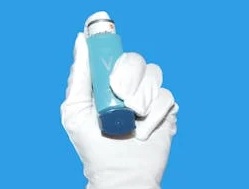
E-cigarette advocate Riccardo Polosa, along with pro-harm reduction colleagues from around the world, recently published Respiratory symptoms among e-cigarette users without an established smoking history in the VERITAS cohort. Their paper presents strong evidence that sole e-cigarette users (i.e., people who are not also smoking cigarettes) are significantly more likely to experience respiratory symptoms thanContinue reading “E-cig advocates publish results showing e-cig users have more respiratory symptoms than nonsmokers”
 Stanton Glantz blog