
On October 17, 2024, the proposed terms for settlement of longstanding provincial litigation against the tobacco industry were made public. It is probably the worst settlement of tobacco litigation anywhere in the world to date. All it does is provides one-time money for the provinces to reimburse them for some of the medical costs incurredContinue reading “Canadian health groups should press for rejection of proposed provincial tobacco litigation settlement”
Category Archives: public health
The RCP got this right: Promotion of tobacco harm reduction is playing right into the tobacco industry’s hands

I previously published three detailed critiques of the 2024 UK Royal College of Physicians report E-cigarettes and Harm Reduction: An Evidence Review for being an incomplete and selective review of the literature in three areas — underestimating the magnitude of disease risk caused by e-cigarettes, ignoring the large body of real world evidence that e-cigarettesContinue reading “The RCP got this right: Promotion of tobacco harm reduction is playing right into the tobacco industry’s hands”
Smokers who use e-cigs as for smoking cessation are more likely to end up dual users than to “switch completely” or stop smoking and vaping

E-cigarette enthusiasts, including the FDA and the NHS and others in England, and some in New Zealand and Canadian governments continue to promote “switching completely” from cigarettes to e-cigarettes as a form of harm reduction. I just found another paper that shows that the reality is that adult smokers who use e-cigarettes as a smokingContinue reading “Smokers who use e-cigs as for smoking cessation are more likely to end up dual users than to “switch completely” or stop smoking and vaping”
Calif updates state ban on sales of flavored tobacco products to close loophole and strengthen enforcement: A great model for others

When California passed its law prohibiting the sale of flavored tobacco products in 2020, including menthol cigarettes, RJR and other tobacco interests forced a referendum to try and block the law. Voters upheld the law in 2022, and it went into effect. This law prohibited retail sales of tobacco products with a “characterizing flavor,” looselyContinue reading “Calif updates state ban on sales of flavored tobacco products to close loophole and strengthen enforcement: A great model for others”
CA Gov Newsom signs law rolling back smokefree hospitality to open the door for indoor marijuana pollution

On September 30 California Governor Gavin Newsom signed AB1775, “Cannabis: retail preparation, sale, and consumption of noncannabis food and beverage products,” that opens to door to rolling back smokefree hospitality venues in California. Specifically, it allows on-site cannabis consumption lounges, where authorized by local governments, to become restaurants serving food or clubs serving food (butContinue reading “CA Gov Newsom signs law rolling back smokefree hospitality to open the door for indoor marijuana pollution”
UCSF adds 213,762 new documents to Juul collection, bringing total to 2.6 million

The UCSF Industry Documents Library just released 213,762 new Juul documents, bringing the total to 2,602,256 documents in the JUUL Labs collection and 102,511,387 pages in 17,624,874 documents in the Truth Tobacco Documents Library. This new batch of documents includes social media presence reports, marketing campaigns, focus group findings, product design, and more. In partnershipContinue reading “UCSF adds 213,762 new documents to Juul collection, bringing total to 2.6 million”
Register for free UCSF indusry documents workshop Oct 8

Registration is now open for the UCSF Annual Tobacco and Other Industry Documents Workshop. The workshop, which is a joint project of UCSF’s Center for Tobacco Control Research and Education and the UCSF Library will again be held virtually on October 8th from 9am-12:15pm Pacific Time. Participants will gain comprehensive knowledge of UCSF’s Industry DocumentsContinue reading “Register for free UCSF indusry documents workshop Oct 8”
Wide-ranging podcast with ProfGlantz
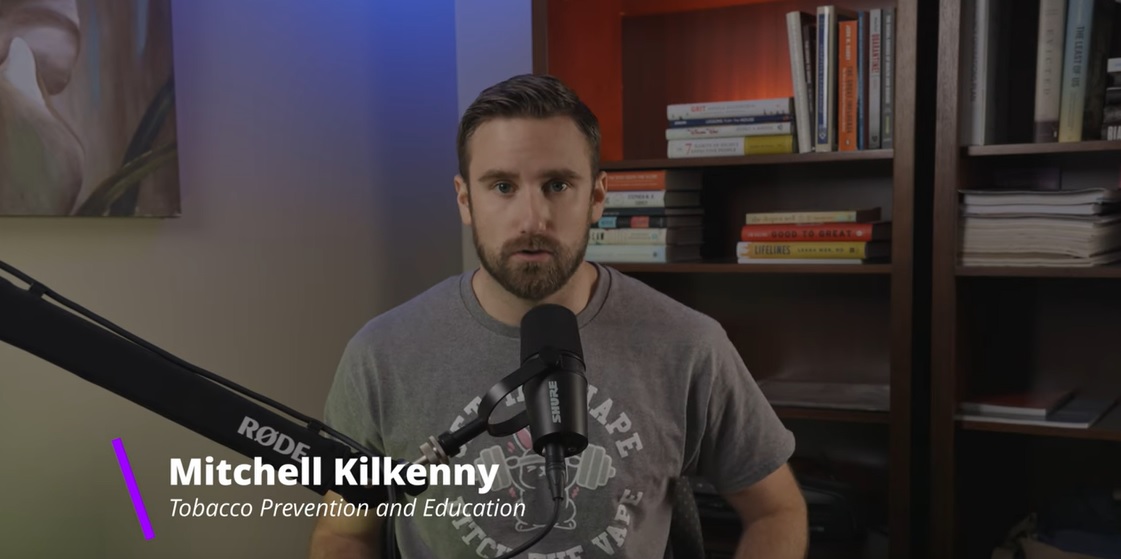
Douglas County Oregon Public Health recently released an hour long interview Mitchell Kilkenny conducted with me covering everything from how I got involved with tobacco control through secondhand smoke’s effects to our recent research showing that for for many diseases e-cigarettes have indistinguishable risks to smoking, why the tobacco free generation” is a bad idea,Continue reading “Wide-ranging podcast with ProfGlantz”
Implications of 2024 NYTS: Ban nicotine salts and clamp down on Zyn

Last week the FDA and CDC released their analysis of the 2024 National Youth Tobacco Survey. The 2024 report moved beyond earlier FDA and CDC summaries of NYTS results by including details on how heavily youth were using e-cigarettes and nicotine pouches, as well as details on brand preferences and specific flavor preferences, including “ice”Continue reading “Implications of 2024 NYTS: Ban nicotine salts and clamp down on Zyn”
Damage to offspring caused by moms’ e-cig exposure during pregnancy persists long after birth and makes offspring more sensitive to e-cig insults

Amber Mills and colleagues new paper Maternal use of electronic cigarettes and impact on offspring: a double-hit model is a follow-up study to their earlier work showing that mother (rat) exposure to e-cigarette aerosol during pregnancy harmed offspring. The new study shows that the adverse effects of in utero (i.e., to the developing fetuses inContinue reading “Damage to offspring caused by moms’ e-cig exposure during pregnancy persists long after birth and makes offspring more sensitive to e-cig insults”
 Stanton Glantz blog