
Wilhelm Storck and colleagues new paper “Cardiovascular risk associated with the use of cannabis and cannabinoids: a systematic review and meta- analysis” published in Heart adds to the case that, far from being safe, cannabis use poses substantial risks. In an accompanying editorial, “It is time to treat cannabis as an important risk factor forContinue reading “Cannabis use linked to doubling in risk of cardiovascular disease death”
Author Archives: Stanton Glantz
ABC Day One story on tobacco industry documents available here

I just found a video of the first national TV story about the Brown and Williamson documents I received on May 12, 1994. This ABC Day One story produced by Walt Bogdanich, ran on May 19, 1994: While I appear in the story, ABC did not identify me as the source. I wanted enough timeContinue reading “ABC Day One story on tobacco industry documents available here”
“This is not the first time a sale of CBS caused problems for 60 Minutes” updated

I just posted an updated version of my April 29, 2025 blog post “This is not the first time a sale of CBS caused problems for 60 Minutes” that now includes all the relevant videos, including the original 60 Minutes story that disclosed that network management was blocking the Jeff Wigand interview, Mike Wallace’s on-air comment,Continue reading ““This is not the first time a sale of CBS caused problems for 60 Minutes” updated”
Smoked and edible cannabis both inhibit normal blood vessel function in people
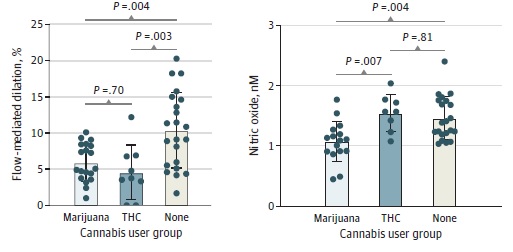
Our earlier epidemiology study linked cannabis use to cardiovascular disease in people. Because most people smoked cannabis in US population at the time, we could not distinguish the effects of inhaled cannabis from other forms of consumption, particularly edibles. Leila Mohammadi and her UCSF colleagues new paper “Association of Endothelial Dysfunction With Chronic Marijuana SmokingContinue reading “Smoked and edible cannabis both inhibit normal blood vessel function in people”
20 state attorneys general sue to block HHS cuts

Today (May 5, 2025) 20 Democratic state attorneys general filed a lawsuit to reverse President Trump and HHS Secretary Robert Kennedy Jr’s devastating cuts to the Department of Health and Human Services. The suit details the broad damage that the cuts are doing, with and emphasis on the states and, in many cases, the specificContinue reading “20 state attorneys general sue to block HHS cuts”
What will happen to CDC’s successful Tips from Former Smokers media campaign and 1-800-QUITNOW service?

In addition to the National Youth Tobacco Survey and other national surveys, the now-shuttered CDC Office on Smoking and Health (OSH) provided technical support and $82 million to support state health departments (zeroed out on April 26, 2025), provided through the National Tobacco Control Program, and prepared dozens of Surgeon General’s reports on smoking andContinue reading “What will happen to CDC’s successful Tips from Former Smokers media campaign and 1-800-QUITNOW service?”
This is not the first time a sale of CBS caused problems for 60 Minutes
On April 22, 2025, Bill Owens the executive producer of CBS’s 60 Minutes resigned, “saying he’s losing the freedom to run it independently.” He was presumably reacting to corporate meddling in 60 Minutes‘ journalism. Donald Trump was suing 60 Minutes for $20 billion over an interview they did with Kamala Harris. More important, CBS parentContinue reading “This is not the first time a sale of CBS caused problems for 60 Minutes”
SF Board of Supervisors committee unanimously endorses proposed Recovery First Drug Policy, sends to full board

On April 24, the SF Board of Supervisors Committee on Administration unanimously endorsed Supervisor Matt Dorsey’s Recovery First Drug Policy. The amendments were suggested by the San Francisco/Marin Medical Society to make the language more precise in medical terms, but did not substantively change the policy statement, which now reads, “Long-term remission of substance useContinue reading “SF Board of Supervisors committee unanimously endorses proposed Recovery First Drug Policy, sends to full board”
18 Senators write HHS leaders asking for details on cuts to tobacco programs and specific plans to meet legal obligations

On April 22, 2025, 18 Democratic senators wrote HHS Secretary Kennedy and the leaders of the FDA and CDC expressing concern about Trump Administration decisions to decapitate and cut the FDA Center for Tobacco Products and shut down the CDC Office on Smoking and Health, actions that will cost billions in health costs by nextContinue reading “18 Senators write HHS leaders asking for details on cuts to tobacco programs and specific plans to meet legal obligations”
San Francisco’s proposed Recovery First Drug Policy is a good idea
In September, San Francisco Supervisor Matt Dorsey introduced his “Recovery First Drug Policy” that states “The cessation of illicit drug use and attainment of long-term Recovery from Substance Use Disorders shall be the primary objective of the City’s drug policy.” The policy allows for other steps, including harm reduction, as part of a comprehensive approachContinue reading “San Francisco’s proposed Recovery First Drug Policy is a good idea”

