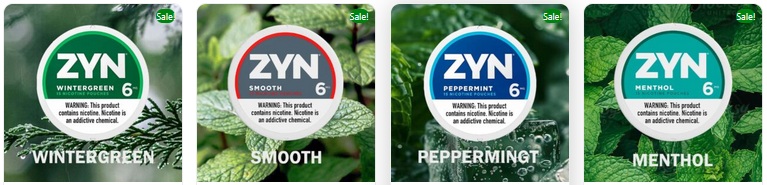
My colleagues at UCSF and Stanford have submitted this public comment to FDA opposing its approval of Swedish Match (owned by Philip Morris International) claim that ZYN is less dangerous (PDF). The TPSAC tracking number is mk4-k6rg-rvku and the general docket tracking number is mk5-q1p5-yauh on Regulations.gov.
Here is the comment:
FDA’s should not authorize the marketing of 20 flavored ZYN nicotine pouches with the modified risk claim, “Using ZYN instead of cigarettes puts you at a lower risk of mouth cancer, heart disease, lung cancer, stroke, emphysema, and chronic bronchitis” because Swedish Match failed to provide the necessary evidence specific to ZYN demonstrating that, as actually used by consumers, these products will benefit the health of the population as a whole, including youth
Docket No. FDA-2025-N-0835 for “Modified Risk Tobacco Product Applications: Applications for ZYN oral pouch products containing nicotine derived from tobacco submitted by Swedish Match U.S.A., Inc.’’
Pamela Ling, MD, MPH; Lauren Lempert JD, MPH; Benjamin Chaffee, DDS, MPH, PhD; Stanton A. Glantz, PhD; Bonnie Halpern-Felsher, PhD;1 Stella A. Bialous, RN, DrPH;Dorie Apollonio, PhD
University of California, San Francisco
1 Stanford University School of Medicine
January 7, 2026
Swedish Match has applied for permission to market 20 flavored ZYN nicotine pouches (Chill, Cinnamon, Citrus, Coffee, Cool Mint, Menthol, Peppermint, Smooth, Spearmint, and Wintergreen in two nicotine strengths – 3 mg and 6 mg) with the modified risk claim, “Using ZYN instead of cigarettes puts you at a lower risk of mouth cancer, heart disease, lung cancer, stroke, emphysema, and chronic bronchitis.”[1]To be granted a Modified Risk Tobacco Product (MRTP) order permitting marketing ZYN with this claim, the company must demonstrate that the product, as actually used byconsumers, will continue to both:
1) Significantly reduce harm and the risk of tobacco-related disease to individual tobacco users; and
2) Benefit the health of the population as a whole taking into account both users of tobacco products and persons who do not currently use tobacco products.[2]
Swedish Match has failed to meet this statutory burden. As detailed below, Swedish Match failed to present scientific evidence that supports its claim that using ZYN nicotine pouches reduces the risk of the diseases cited. In particular, the company failed to provide sufficient evidence to support the claim that using ZYN will lower the risk of mouth cancer, and there is growing evidence that using ZYN increases the risk of other negative oral health impacts. Additionally, ZYN is not an FDA-approved nicotine replacement therapy (NRT), and Swedish Match did not and cannot demonstrate that ZYN could be used for cessation. Nevertheless, the aggressive marketing for ZYN nicotine pouches and the proposed MRTP marketing claims imply, even if they do not explicitly state, that these products can be used for cessation. Taken together, Swedish Match has failed to demonstrate that marketing ZYN nicotine pouches will benefit the health of individuals or the health of the population as a whole.
- Swedish Match’s sole reliance on FDA’s MRTP marketing authorization of General Snus products is insufficient to support its MRTP application for ZYN nicotine pouches
Swedish Match seeks to use FDA’s MRTP marketing authorization of eight General Snus products as the central reason why FDA should grant MRTP authorization for a different product, ZYN nicotine pouches. This reasoning is flawed on its face and is not supported by the law, by the facts, or by previous FDA decisions. While ZYN nicotine pouches may be “similar” to General Snus because they are used in the same manner (“held between the lip and gum for a period of use and then discarded”) as Swedish Match argues in its MRTP application, ZYN is a different product from General Snus. Importantly, this “similarity” does not relieve Swedish Match of its statutory burden to provide rigorous scientific evidence specific to ZYN pouches demonstrating why ZYN pouches (the particular products that are the subject of the current MRTP application) significantly reduce harm and the risk of tobacco-related disease.
FDA should require specific evidence on the product under consideration and reject arguments based on theory or analogy to different products.
The posted application materials including Modules 1-7 of the MRTP application for ZYN do not provide the required scientific evidence necessary for scientists, researchers, or the general public to evaluate the application because they are almost entirely redacted. Moreover, the information that is available to the public is based entirely on the “authorized MRTPs” for a different product — Swedish Match General Snus — not ZYN nicotine pouches. These data are insufficient as a matter of law, as well as science, to support the MRTP application for ZYN because they are not the same products.
FDA cannot assume that the Swedish Match General Snus application applies to ZYN.
First, ZYN is not snus. Swedish Match’s own study comparing ZYN to other smokeless tobacco products and nicotine replacement therapies states the contents of both ZYN pouches and General Snus are different.[3] ZYN does not contain tobacco leaf, but contains different fillers than snus ( “microcrystalline cellulose”, plant fibers, maltitol); unlike tobacco in snus, ZYN contains nicotine salts or solutions and sweeteners; ZYN has different (lower) moisture content than General Snus, and different nicotine delivery. Another study of nicotine pharmacokinetics comparing ZYN to General Snus also found significant differences in nicotine extracted content, bloodstream delivery and subjective effects in human users.[4] Moreover, as we detail in another comment, attached and incorporated by reference, unlike General Snus, ZYN pouches are available in 20 youth-appealing flavors and nicotine strengths and are marketed to youth.
Further, the original MRTP application for eight Swedish Match General Snus smokeless tobacco products was submitted on June 10, 2014, more than 11 years ago.[5] Studies that were submitted more than 11 years ago (and therefore the data that were collected prior to that time, likely collected some years before then) for General Snus are clearly not adequate to support a current application for ZYN. Most important, while FDA did not authorize sale of ZYN until January 2025, ZYN has been sold and used in the US since 2016, where it achieved broad use,[6], [7] reaching 9.5 billion units in 2023.[8], [9] This is more than enough time for the applicant, Swedish Match, to have collected data on actual health effects of using ZYN. FDA should not authorize any MRTP statements for ZYN until the applicant provides specific evidence on the health effects of ZYN.
In the Decision Summary for the General Snus MRTP Order, FDA stated that although FDA’s review found that the products would benefit the health of the population as a whole, that determination may change over time as a function of how the product is actually used by consumers. In particular, FDA stated at page 13 and again at page 48 of the Decision Summary, “Although the available evidence from epidemiological studies does not demonstrate significant youth initiation of snus products at this time, it is possible that marketing the product as a modified risk product could change this.” [10], [11] So even relying on the General Snus MRTP order, it is essential for FDA to consider the growing evidence that ZYN nicotine pouches, as actually used and marketed, are impacting youth initiation and nicotine use, as well as nicotine addiction.[12]
- Swedish Match failed to provide sufficient evidence or long-term safety data supporting their claim that using ZYN nicotine pouches significantly reduces the risk of tobacco-related disease, including oral health impacts, to individual users.
As summarized above, ZYN has been sold and consumed in the United States since 2016, which is more than enough time to collect real-world data on actual health effects. Swedish Match has not met its statutory burden2to demonstrate with sufficient scientific evidence that ZYN nicotine pouches, as actually used by consumers, will significantly reduce harm and the risk of tobacco-related disease to individual tobacco users. The applicant did not provide sufficient long-term disease effects data specific to ZYN supporting the claim that using ZYN nicotine pouches reduces the risk of the diseases cited. In particular, there is no evidence to support the claim that, as actually used by consumers, using ZYN nicotine pouches will “lower risk of mouth cancer.”
The ZYN application is theoretically supported by a toxicological safety profile, a population health impact model (PHIM), and an oral safety study that were submitted as part of the PMTAs. However, these are either not posted or nearly completely redacted and therefore unavailable for public review. Moreover, they rely on the “Swedish experience” with a different product — snus — which is not sufficient to support marketing ZYN with MRTP claims in the US.
For example, the ZYN MRTP application Module 2[13] states at page 2:
“We believe the proposed [ZYN] MRTPs meet the same requirements and health standard for authorization of the reduced risk claim as the authorized [General Snus] MRTPs. Due to the similarities between the proposed MRTPs and authorized MRTPs, the scientific findings from the FDA authorization to market the authorized MRTPs with the reduced risk claim can be extrapolated to the proposed MRTPs. More specifically, the proposed MRTPs also contain and deliver low HPHC quantities, meet the applicable product testing thresholds of the GOTHIATEK® standard, and demonstrate low youth use. Therefore, we expect to observe a similar reduction in tobacco-related disease for smokers who switch from cigarettes to the proposed [ZYN] MRTPs, as seen for smokers who switched to the authorized [General Snus] MRTPs in Sweden.” [emphasis added]
“Beliefs” and “expectations” about a different product in a different country are not evidence that ZYN meets the standard the FDA is mandated to follow when authorizing MRTP claims in the Family Smoking Prevention and Tobacco Control Act.
Specifically, there is no legal or scientific support for the statement that “the scientific findings from the FDA authorization to market General Snus with a reduced risk claim can be extrapolated to the proposed ZYN MRTPs. Further, if ZYN pouches do, indeed, deliver “low HPHC quantities” for certain constituents on and outdated list of Harmful and Potentially Harmful Constituents (we attach an incorporate by reference another comment we submitted on HPHCs [need to update HPHC list]), this does not demonstrate that ZYN products reduce actual disease risks as actually used.
Finally, even if the applications for General Snus showed low youth use of those snus products in 2014, that data has absolutely no bearing on how flavored ZYN nicotine products are actually used by youth in 2026. Among high school adolescents in the US, oral nicotine pouch use more than doubled from 1.1% to 2.4% from 2021-2024,[14] and an analysis of a 2021 cohort of California high-school adolescents and 2024 NYTS data[15] showed that oral nicotine products were the second most prevalent nicotine product, after e-cigarettes.[16] Han and colleagues analyzed data from the 2023 and 2024 Monitoring the Future survey of 10th and 12th graders. They found that lifetime nicotine pouch use increased from 3% in 2023 to 5.4% in 2024; past 12-month use increased from 2.4% to 4.6%, and past 30-day use increased from 1.3% to 2.6%, respectively. These data represent a 1.8-fold increase in lifetime use, a 2.0-fold increase in past 12-month use, and a 2.1-fold increase in past 30-day use.[17] Nicotine pouch use patterns are also different: adolescents are using multiple pouches at a time, and doing so multiple times throughout the day,[18] increasing their addictive potential.[19]
The statement in the MRTP application that ZYN are “intended for use in the same manner [as General Snus smokeless tobacco products] (i.e., held between the lip and gum for a period of use and then discarded) by the same population (i.e., current 21+ adult tobacco product consumers)”13provides no information about disease risks of ZYN. (After all, hard candy is also consumed by holding it between the consumer’s lip and gum. That does not make evidence on candy’s health effects relevant to ZYN.) Obviously Swedish Match reformulated their General Snus products for a reason; ZYN nicotine pouches are a different product that is intended for, targeted to, and popular with youth and ZYN is not only used by “current 21+ adult” conventional cigarette users. (See attached comment focusing on youth.)
The MRTP application states at page 6:13
“The toxicological safety profile of the proposed MRTPs [ZYN] is significantly improved compared to the authorized MRTPs [General Snus] and clinical data further supports the reduced risk potential of the proposed MRTPs. Therefore, increased uptake of the proposed [ZYN] MRTPs and an associated decreased cigarette usage in the U.S. is highly likely to lead to a similar observed decline in U.S. smoking-related disease rates as expected for the authorized MRTPs and as observed in Sweden. We submitted a population health impact model (PHIM) as part of our PMTAs for the proposed MRTPs. Even under the most conservative and pessimistic assumptions, the model shows uptake of the proposed MRTPs is expected to reduce tobacco-related deaths by 600,000 by the year 2050. Though the products have not been on the U.S. market long enough to generate three decades of health data as in the ‘Swedish experience’ data, the PHIM data shows what is possible in the next three decades should the proposed MRTPs be authorized to market with the proposed reduced risk claim, allowing smokers to accurately understand their reduced health risks if they switch completely away from cigarettes.”
This is another theoretical statement that lacks direct empirical evidence on the disease risks associated with ZYN. Moreover, while ZYN has not been on the market as long as snus, it has been on the US market for 9 years, which is long enough for disease effects to begin to be manifest.
The limited data in Module 4 (Nonclinical) appear to focus on “mutagenic or genotoxic” effects and exposure to a limited number of HPHCs. Exposure to carcinogens does not demonstrate actual reduced risk of cancer and fails to address the substantial cardiovascular risks of these products, including but not limited to risk of high blood pressure, stroke and diabetes.
Again, independent scientists and researchers are not able to evaluate the PHIM data because it was redacted and was not made available to the public. The Integrated Summary at page 11[20] states:
“The toxicological safety profile of the proposed MRTPs is significantly improved compared to the authorized MRTPs (see Module 4 of these MRTPAs) and thus, compared to combusted cigarettes. Clinical data further support the significant improvements and reduced risk potential of the proposed MRTPs (see Module 5 of these MRTPAs).”
However, Module 4[21] and Module 5[22] provide mostly redacted, limited, and/or outdated studies, hampering independent review.
- The “Swedish experience” with snus is irrelevant and cannot be used to support ZYN.
In any case, as discussed above, the “Swedish experience” for General Snus cannot be used to demonstrate the safety profile of ZYN use in the US. In fact, FDA’s own 2016 review of the General Snus MRTP application[23] concluded that the “Swedish experience” was irrelevant. FDA’s own conclusion was:
“The original applications were determined to contain insufficient evidence demonstrating that the products would be used in a way that would result in a population health benefit. The applicant proposed that, as MRTPs, its products could have a similar impact in the U.S. as snus has had in Sweden. In particular, the applicant described a historical trend documented in Sweden, often called the “Swedish Experience,” a grassroots movement wherein a large proportion of smokers transitioned to exclusive snus use, bringing rates of smoking to historically low levels and resulting in a population with a lower incidence of smoking‐related diseases than comparable countries. Ultimately, FDA’s review of this evidence concluded that it had limited applicability to the potential impacts of marketing the MRTPs in the U.S. FDA pointed to the range of social and cultural differences between the two marketing contexts—including that snus is a traditional Swedish product—limiting the validity of extrapolating from one to the other…Thus, relying solely on the epidemiological evidence discussed above, FDA concluded that the applicant had not demonstrated the likelihood that consumers would use the product in a way that would benefit individual users and population health.”
Reference to the “Swedish experience” for harm reduction is a longstanding tobacco and nicotine industry tactic to influence policy that ignores real health harms.
Swedish Match’s application summary13 refers to “the Swedish experience” as “a decline in tobacco-related disease (e.g., lung cancer, cardiovascular disease [CVD]) with increased uptake of snus over time.” This framing of the “Swedish experience” has been used repeatedly by the tobacco and nicotine industry. In 2022, the Swiss Association for Tobacco Control found that a Swedish e-marketing group focused on promoting and selling snus and nicotine pouches commissioned a report from a consulting company that used “industry-funded studies, questionable experts, hidden financing and crooked reports to manipulate the “harm reduction” debate in order to force open the EU marketing to nicotine pouches”. The Swiss Association for Tobacco Control highlighted the weaknesses in the industry produced study that claimed that opening the market to nicotine pouches would save up to 210,000 lives in the EU by assuming Swedish policy would be effective in other contexts without considering historical or cultural differences.[24] In addition to flawed methods and assumptions that “would never stand in an independent peer-review examination”, they noted the “study fails to mention recent and strong evidence on the dangers of snus consumption. Snus use among men is positively associated with increased all-cause mortality, cardiovascular mortality, with death from other causes, and possibly with increased cancer mortality.”[25]
A 2024 report issued by the Public Health Agency of Sweden (PHAS report)[26] found that the scientific evidence concerning the health risks of using tobacco and nicotine products varies, depending on how long a product has been on the market, the number of people using it, and the amount of research available. In contrast to the long history of tobacco smoking and the strong scientific evidence of health harms caused by smoking, this report found that the scientific evidence is more limited for products like snus that are not used widespread globally. Nevertheless, the report found:
“Available research suggests that use of tobacco snus may increase the risk of high blood pressure, type 2 diabetes and death following a heart attack or stroke. Using snus during pregnancy may increase the risk of foetal or neonatal complications. There is an absence of scientific evidence about nicotine pouches, but all tobacco and nicotine products contain nicotine, which is acutely toxic and highly addictive.” (PHAS report,26p. 9)
Of particular significance, the report states:
“The absence of studies, or that the available evidence is too uncertain to determine whether there is an association or not, does not mean that risks can be ruled out. All tobacco and nicotine products may result in addiction and entail health risks, although tobacco smoking is linked to especially high levels of risk.” (PHAS report,26p. 9)
Dual- and poly-use of snus in Sweden. The Swedish Public Health Agency’s 2024 report stated that in 2022, 19% of women and 31% of men reported using some type of tobacco or nicotine product, either every day or occasionally, and it is common to use more than one product. Among individuals who smoke, 18% of women and 34% of men also use snus. Among individuals using snus, 18% of women and 15 percent of men also smoke. The report also found that it is common to combine the use of alcohol, cannabis and nicotine products, and risky consumption of alcohol and cannabis is more common among individuals using tobacco and nicotine products than among those who do not use such products. (PHAS report,26p. 19)
The report also found associations between snus and tobacco smoking in non-smoking individuals, and that over time, people who use snus more frequently start smoking tobacco than people who do not use snus. (PHAS report,26p. 26)
Frequently the assertion that nicotine pouches could be sold as reduced risk products is based on assumptions that the use of nicotine pouches will be similar to the experience with snus in Sweden. It is sometimes claimed that snus is the explanation for Sweden’s low smoking rate. However, there is no scientific evidence for such an assertion. Snus is not a smoking cessation product. Quite the opposite, people who use e-cigarettes or tobacco snus are more likely to start smoking over time, compared with people who do not use e-cigarettes or snus. Young people who use snus or e-cigarettes are more than four times more likely to also smoke cigarettes, compared with young people in general. The increased use of snus in recent years is not driven by former smokers switching products, but by an increase in use among new target groups such as women and young people.[27] Below, Figure 2 from the report shows the increase in snus use among women in Sweden.
b. Swedish Match failed to demonstrate that smokers accurately understand health risks if they “switch completely away from cigarettes,” nor have they demonstrated that users understand what it means to “switch completely.”
Current literature suggests that users, including youth, do not understand that to get the purported health benefits, “switching completely” means to NOT USE cigarettes at all. The predominant pattern is dual use. Oral nicotine product use among youth is associated with use of other tobacco products, and current use is more prevalent among Hispanics, Non-Hispanic Blacks, and those with lower education and annual incomes.[28] There is a growing body of literature showing that using other tobacco products concurrently with conventional cigarettes does not only reduce harm, but may in fact increase health harms. (See attached UCSF comments, incorporated by reference, on misperceptions of ZYN MRTP claims and on IQOS MRTP renewal that provide detailed information and references on these points.)
c. Nicotine pouches carry oral health risks
At page 8 the application states:
“…the oral safety study submitted in the original PMTAs demonstrates a significant decrease in the number of people with, and the severity of, oral lesions upon switching from the authorized MRTPs to the proposed MRTPs.”13[emphasis added]
However, the names of and actual studies that are cited to support this statement are completely redacted.22 Therefore, independent researchers and scientists cannot verify the scientific merit of this statement which is critical to FDA’s determination of whether to authorize marketing ZYN pouches with modified risk claims.
Module 5-1, section 3.2, at p. 422briefly mentions an “oral safety study” with redacted data claiming that ZYNs “do not promote plaque acidogenesis” and that substitution of ZYN for snus improved oral mucosal lesions, claiming these data demonstrate that ZYN’s oral health risks are lower than snus.
These findings run counter to an existing published study reporting a higher prevalence of oral lesions among individuals who used oral nicotine pouches than among individuals who used other nicotine products or used no nicotine.[29]
Also, failure to promote plaque acidogenesis is not evidence that switching from cigarettes to ZYN oral nicotine pouches reduces the risk of oral cancer. Plaque acidogenesis may lead to dental caries — a significant disease, but not one strongly linked to cigarette smoking or to oral cancer. The lack of plaque acidogenesis suggests that the tested oral nicotine products do not contain a large amount of fermentable carbohydrates (e.g., sugars), a finding that is not relevant to the proposed oral cancer claim.
The redacted data are not available for review, and it is not clear what length of exposure was used in the study. A systematic review of published data on nicotine pouches and oral health found three studies, all of which were deemed to have a high risk of bias. There were two cross sectional studies and one prospective experimental study, and due to problems with study design and control groups “none of the included studies could definitively determine the impact of nicotine pouches on oral health conditions”.[30] One of the studies found a significant percentage of mucosal changes among those who used both nicotine pouches and snus, particularly among those with longer years of use and frequent consumption of 5 to 10 pouches per day, which were accompanied by elevated levels of inflammatory biomarkers.[31] This published data suggests that Swedish Match needs to address the issue of dual use of nicotine pouches and snus over years of use, not only short term administrations, to be able to make claims about reduction of oral health risks.
In their 2023 review[32] of oral nicotine products’ impacts on periodontal health, Ye and Rahman highlighted studies showing that nicotine in oral nicotine pouches interacts with host cells and affects inflammatory responses to microbial challenges and may directly or indirectly deteriorate periodontal tissues by activating nicotinic acetylcholine receptors, repressing periodontal ligament fibroblasts cells, increasing cellular reactive oxygen species and cytokines/chemokines, growth factors, breaking microbiota balance, and dysregulating microRNAs expression. Additionally, they cited studies showing that flavorings contained in nicotine pouches could induce microbial dysbiosis in the oral cavity and periodontium, pose harm to periodontal innate immune responses and increase penetration of nitrosamines. Of particular concern they found that flavored oral nicotine products increase the risk of dual- or poly-tobacco products use among young adults, increasing detrimental effects on the periodontium.
Industry funded studies claim to show reduced abuse liability[33] and decreased gum inflammation in nicotine pouch users compared to cigarette smokers.[34] However, non-industry funded studies have found nicotine pouch users report significant levels of nicotine addiction and a substantial number of adverse experiences including mouth lesions (48%), upset stomach (39%), sore mouth (37%), sore throat (21%), and nausea (9%).[35] Overall, more studies without conflicts of interest are needed to verify industry claims, and current data are insufficient to support claims of reduced harm in nicotine pouch users.
d. The published literature review cited by Swedish Match is flawed, has prominent conflicts of interest, and makes unsupported conclusions.
In its “Individual Health Effects and Health Outcomes Lit Review”22 Swedish Match proposes to use data on the health effects of snus to justify ZYN, which, as discussed above, is inappropriate. In addition, the Swedish Match application cites their own (redacted) literature review and a single published scoping review[36] to justify the claim that “the reduction in toxicant exposure translates to harm reduction potential in smokers switching to nicotine pouch products”.22 The scoping review cited by Swedish Match has several flaws that undermine its conclusions. The study was funded by Imperial Tobacco Company, which has a financial conflict of interest to promote nicotine pouch use. The scoping review lacked an assessment of study methodological quality or disclosure of conflict of interest among study authors. Most important, the individual studies have caveats and limitations due to variations in product type, lack of standardized approaches, differences by nicotine concentration and the presence of dual use with cigarettes; these limitations are ignored in the review’s conclusion that nicotine pouches “contain significantly fewer and lower levels of harmful chemicals, have a reduced toxicological impact compared to cigarette smoke, and may convey lower health risks compared to smoking.” The small number of studies, outcomes limited to biomarkers of exposure, and lack of data on actual health impacts do not support these sweeping conclusions. At best, the reviewed studies suggest nicotine pouches may reduce exposure to a limited number of HPHC, but the reduced exposures are limited to the individual level; the population level claims are unsupported. Furthermore, the studies do not address at all the impact of nicotine on the cardiovascular system when assessing health impact.
A review of the literature on nicotine pouches without conflict of interest[37] noted rising appeal and prevalence of nicotine pouches, particularly among young people, and people who use other tobacco products. Similar to other reviewers they noted efficient nicotine delivery similar to smokeless tobacco products, and short term decreases in biomarkers of exposure to tobacco toxicants, and consumer perceptions of decreased harm, but noted that most studies were produced by the tobacco and nicotine industry, and that additional research is needed to verify the results of industry funded studies. They did not find sufficient data to support MRTP claims. They concluded, “more robust longitudinal evidence is needed to establish whether these products can meet the public health standard, let alone modified risk standards.”
As summarized above, despite the fact that ZYN has been available and consumed in United Stated for 9 years (since 2016), the application does not demonstrate a significant decrease in the number of people with or the severity of oral lesions upon switching to ZYN nicotine pouches, nor does it provide evidence that users understand that they would need to switch completely to ZYN and not use it concurrently with other tobacco products to get the purported health benefits. To fulfill its statutory burden and demonstrate that ZYN nicotine pouches, as actually used, significantly reduce harm to individual users and to the population as a whole, including youth and other non-users, Swedish Match was required to submit non-clinical and clinical long-term safety data for this product as actually used in this country. Swedish Match failed to do this, so FDA must deny MRTP authorization for ZYN nicotine pouches.
3. Nicotine has important health harms, including cardiovascular effects
The tobacco industry tries to claim that nicotine is as harmless as caffeine,[38] and that the health harms from smoking tobacco are attributable only to the smoke and tar generated by tobacco combustion, rather than from nicotine. However, there is extensive evidence that there are short- and long-term health effects associated with nicotine itself, which would include nicotine delivered in nicotine pouches, including the adverse effects of nicotine on respiratory and cardiovascular health, cancers, brain maturation, and interfering with smoking cessation.
A comprehensive, peer-reviewed 2024 report from the World Heart Federation reviews recent scientific evidence on nicotine and cardiovascular health.[39] The report discusses health impacts of not only combustible tobacco products, e-cigarettes, and heated tobacco products, but also of moist/dry snuff products, including snus, and nicotine-delivering oral tobacco products, including nicotine pouches.[40] Other studies demonstrate that the regular utilization of smokeless nicotine products confers a higher risk for diseases including cancers, Parkinson’s disease, birth defects, oral submucosal fibrosis, periodontal diseases, cardiovascular disease, and type 2 diabetes.[41], [42], [43]
Dorotheo et al.39highlight many studies showing that nicotine is associated with harmful cardiovascular effects, including on heart rate (acute tachycardia), blood pressure (acute hypertension), coronary vasodilator reserve (myocardial ischemia), vasoconstriction and vasodilatation, peripheral vascular resistance, blood viscosity and platelet aggregation (thrombosis), production and release of nitric oxide (endothelial dysfunction), total and LDL cholesterol levels (accelerated atherosclerosis), and insulin resistance (macrovascular complications).[44], [45], [46], [47], [48], [49], [50], [51], [52], [53]
Of particular relevance, newer studies have found increases in cardiovascular disease among users of snuff and have found associations between snuff and endothelial dysfunction, decreases in diastolic heart function, and an elevated risk of fatal ischemic heart disease and stroke.[54], [55], [56], [57], [58], [59], [60]
In December, 2025 the European Heart Journal published the first Expert Consensus paper explicitly addressing nicotine itself as a cardiovascular toxin.[61] The paper reviews how nicotine impairs endothelial function through sympathetic activation, reactive oxygen species (ROS), nitric oxide (NO) depletion, inflammatory signaling and BP increases. These effects are seen not only in traditional cigarette smokers but also in users of e-cigarettes and nicotine pouches. Nicotine increases arterial stiffness both acutely and chronically. Rodent studies demonstrate that nicotine enhances myocardial fibrosis and hypertrophy, resulting in impaired systolic and diastolic function. Nicotine also has powerful prothrombotic and proangiogenic effects that stimulate endothelial cell proliferation and may contribute to plaque neovascularization and instability as well as tumor growth.
Nicotine is toxic to developing fetuses and is a health danger for pregnant women.[62], [63] Prenatal life to adolescence and into young adulthood is a sensitive period for brain plasticity, and is an important period in terms of regulation of behavior and cognition. Preclinical and clinical studies have shown the effect of nicotine on brain development including on maternal smokeless tobacco use, which demonstrated that the nicotinic cholinergic receptors (nAChRs) in the brain play critical maturational roles during adolescence.[64], [65], [66] Nicotine is especially dangerous for young people, and is highly addictive. Youth can start showing signs of nicotine addiction quickly, even if they do not use tobacco product regularly or daily.[67] Using nicotine during adolescence can harm the parts of the brain that control attention, learning, mood, depression, and impulse control,24, [68], [69], [70] as well as lower academic performance and school- and substance-related risk behaviors.[71], [72] Nicotine harms to brain development continues until about age 25,24and adolescents who use nicotine may be at increased risk for future addiction to other drugs.52 (See attached comment on youth impacts, incorporated by reference.)
4. ZYN nicotine pouches are recreational products that have not been approved by FDA for cessation or nicotine replacement therapy; however, marketing ZYN with the proposed MRTP claims will likely be misunderstood by consumers to mean that ZYN has been approved by FDA for cessation.
FDA announced[73] in January 2025 that it had authorized the marketing of 20 ZYN nicotine pouch products (10 flavors, each sold with 3 mg and 6 mg nicotine varieties) finding that the products meet the “appropriate for the protection of public health” standard required for such authorization. The FDA found that the products contained substantially lower amounts of harmful constituents (HPHCs) than cigarettes and most smokeless tobacco products such as moist snuff and snus, and therefore they pose lower risk of cancer and other serious health conductions than those products. Further, FDA found that Swedish Match showed that these nicotine pouch products have the potential to provide a benefit to adults who smoke cigarettes and/or use other smokeless tobacco products that outweighs the risks of the products, including to youth.
As discussed above, the fact that the products contain lower amounts of some HPHCs does not demonstrate that the products are safe, as they expose users to other harmful constituents that are not included on the outdated HPHC list. Moreover, as we discuss in a companion comment on youth, attached and incorporated by reference, the applicants have not demonstrated that authorizing the ZYN MRTP would “[b]enefit the health of the population as a whole taking into account both users of tobacco products and persons who do not currently use tobacco products,”[74] as required by law.
As detailed in our companion comment on misinterpretation of MRTP claims, attached and incorporated by reference, ZYN is being promoted, implicitly and explicitly, as useful for helping smokers quit. Importantly, regardless of FDA’s PMTA marketing granted order, Swedish Match has not demonstrated that ZYN nicotine pouches are safe and effective for use as cessation products and did not apply for FDA approval (through CDER) as cessation drugs. Unlike FDA-approved cessation products such as Transdermal nicotine patches, nicotine gums, nicotine lozenges, nicotine sprays and inhalers, varenicline, and buproprion, ZYN nicotine pouches have not been shown to be safe and effective and have not been approved for cessation.
CDC clearly stated on its website:[75]
- There are no safe tobacco products, including nicotine pouches. This is especially true for youth, young adults, and women who are pregnant.
- Youth, young adults, and women who are pregnant should not use nicotine pouches.
- The FDA has not approved any nicotine pouches to help people quit smoking.
- Nicotine pouches are not an FDA-approved method for quitting smoking.”75
Conclusion:
FDA should not authorize the marketing of ZYN nicotine pouches with modified risk claims. Swedish Match has failed to demonstrate that marketing ZYN nicotine pouches will benefit the health of individuals or the health of the population as a whole.
Our comment provides detailed scientific evidence that:
- The General Snus MRTP cannot be used to justify action on ZYN, which requires ZYN-specific data.
- The “Swedish experience” with snus is irrelevant and cannot be applied to ZYN.
- Swedish Match failed to provide sufficient evidence or long-term safety data supporting their claim that using ZYN nicotine pouches significantly reduces the risk of tobacco-related disease
- Swedish Match failed to demonstrate that smokers accurately understand health risks if they “switch completely away from cigarettes,” nor have they demonstrated that users understand what it means to “switch completely.”
- Nicotine pouches carry oral health risks
- Limited data on reduced biomarkers of exposure among ZYN users is hampered by conflicts of interest and insufficient to justify modified risk claims.
- Nicotine itself has substantial health harms, particularly for cardiovascular disease, that have been ignored by Swedish Match.
- FDA MRTP orders for ZYN are likely to be misinterpreted as authorization as a smoking cessation product by consumers.
Taken together, Swedish Match has failed to meet its statutory burden to demonstrate that the marketing of 20 ZYN nicotine pouches in ten flavors and two nicotine strengths with MRTP claims will benefit the health of individuals and the health of the population as a whole. Therefore, FDA should deny MRTP authorization for these products.
[1] US Food and Drug Administration. Swedish Match USA, Inc. Modified Risk Tobacco Product (MRTP) Applications for ZYN Products. (Current as of 11/21/2025). Available: https://www.fda.gov/tobacco-products/advertising-and-promotion/swedish-match-usa-inc-modified-risk-tobacco-product-mrtp-applications-zyn-products
[2] Family Smoking Prevention and Tobacco Control Act, section 911(g)(1), Public Law 111-31, 21 USC 387k (June
22, 2009).
[3] Back S, Masser AE, Rutqvist LE, Lindholm J. Harmful and potentially harmful constituents (HPHCs) in two novel nicotine pouch products in comparison with regular smokeless tobacco products and pharmaceutical nicotine replacement therapy products (NRTs). BMC Chem. 2023 Mar 3;17(1):9. doi: 10.1186/s13065-023-00918-1. PMID: 36869349; PMCID: PMC9985244.
[4] Lunell E, Fagerström K, Hughes J, Pendrill R. Pharmacokinetic Comparison of a Novel Non-tobacco-Based Nicotine Pouch (ZYN) With Conventional, Tobacco-Based Swedish Snus and American Moist Snuff. Nicotine Tob Res. 2020 Oct 8;22(10):1757-1763. doi: 10.1093/ntr/ntaa068. PMID: 32319528.
[5] Modified Risk Granted Orders – Risk Modification for 8 Swedish Match General Snus Smokeless Tobacco Products. October 22, 2019. Available: https://www.fda.gov/media/131922/download?attachment
[6] Lyu JC, Ozga JE, Stanton CA, Hrywna M, Ganz O, Cornacchione Ross J, Sharma A, Ling PM. Advertising the leading US nicotine pouch brand: a content analysis of ZYN advertisements from 2019 to 2023. Tob Control. 2025 May 7:tc-2024-059145. doi: 10.1136/tc-2024-059145. Epub ahead of print. PMID: 40335264; PMCID: PMC12379097.
[7] Duan, Z., Henriksen, L., Vallone, D., Rath, J. M., Evans, W. D., Romm, K. F., Wysota, C., & Berg, C. J. (2024). Nicotine pouch marketing strategies in the USA: an analysis of Zyn, On! and Velo. Tob Control, 33(2), 154–163. https://doi.org/10.1136/tc-2022-057360
[8] Marynak KL, Wang X, Borowiecki M, et al. Nicotine Pouch Unit Sales in the US, 2016-2020. JAMA. Aug
10 2021;326(6):566-568. doi:10.1001/jama.2021.10366
[9] Global Issues: Nicotine Pouches. Accessed September 26, 2025.
https://www.tobaccofreekids.org/what-we-do/global/nicotine-
pouches#:~:text=However%2C%20nicotine%20pouches%20contain%20either,young%20adults%20to%20e%
2Dcigarettes
[10] FDA, Scientific Review of Modified Risk Tobacco Product Application (MRTPA) Under Section 911(d) of the FD&C Act – Technical Project Lead for Eight General Snus products submitted by Swedish Match USA, Inc. 10/22/2019. Available: https://www.fda.gov/media/131923/download?attachment
[11] Lindblom, Eric N. “The Tobacco Control Act’s PMTA & MRTP Provisions Mean to Protect the USA from Any New Tobacco Products That Will Not Reduce Health Harms – But FDA Isn’t Cooperating.” Journal of Health Care Law and Policy, vol. 23, no. 2, 2021, pp. 121-186. HeinOnline, https://heinonline.org/HOL/P?h=hein.journals/hclwpo23&i=124.
[12] Gaiha, S., Lin, C., Lempert, L., Halpern-Felsher, B. Use, marketing, and appeal of oral nicotine products among adolescents, young adults, and adults. Addictive Behaviors. 2023 May;140:107632. PMID: 36731224. DOI: 10.1016/j.addbeh.2023.107632;
[13] Swedish Match MRTP Applications for ZYN Nicotine Pouch Products —Module 2: Integrated Summary. Posted June 17, 2025. Available: https://www.fda.gov/media/187077/download?attachment
[14] Park-Lee E, Jamal A, Cowan H, et al. Notes from the Field: E-Cigarette and Nicotine Pouch Use Among
Middle and High School Students – United States, 2024. MMWR Morb Mortal Wkly Rep. Sep 5
2024;73(35):774-778. doi:10.15585/mmwr.mm7335a3
[15] Jamal A, Park-Lee E, Birdsey J, et al. Tobacco Product Use Among Middle and High School Students –
National Youth Tobacco Survey, United States, 2024. MMWR Morb Mortal Wkly Rep. Oct 17 2024;73(41):917-
924. doi:10.15585/mmwr.mm7341a2
[16] Harlow AF, Vogel EA, Tackett AP, et al. Adolescent Use of Flavored Non-Tobacco Oral Nicotine
Products. Pediatrics. Sep 1 2022;150(3)doi:10.1542/peds.2022-056586
[17] Han, D-H., Harlow, A.F., Miech, R.A., Bae, D., Cho, J., Dai, H.D., Sussman, S.Y., Sanchez, L.M., Meza, L., & Leventhal, A.M. Nicotine Pouch and E-Cigarette Use and Co-Use Among US Youths in 2023 and 2024. JAMA Network Open, 2025;8(4):e256739. doi:10.1001/jamanetworkopen.2025.6739
[18] Gaiha, S., Lin, C., Lempert, L., Halpern-Felsher, B. Use, marketing, and appeal of oral nicotine products among adolescents, young adults, and adults. Addictive Behaviors. 2023 May;140:107632. PMID: 36731224. DOI: 10.1016/j.addbeh.2023.107632.
[19] For example: Mallock-Ohnesorg N, Rabenstein A, Stoll Y, et al. Small pouches, but high nicotine doses-nicotine delivery and acute effects after use of tobacco-free nicotine pouches. Front Pharmacol. 2024;15:1392027. doi:10.3389/fphar. 2024.1392027; Dowd AN, Thrul J, Czaplicki L, Kennedy RD, Moran MB, Spindle TR. A cross-sectional survey on oral nicotine pouches: characterizing use-motives, topography, dependence levels, and adverse events. Nicotine Tob Res. 2024;26(2):245-249. doi:10.1093/ntr/ntad179
[20] Swedish Match MRTP Applications for ZYN Nicotine Pouch Products —Module 2: Integrated Summary. Posted June 17, 2025. Available: https://www.fda.gov/media/187077/download?attachment
[21] Swedish Match MRTP Applications for ZYN Nicotine Pouch Products —Module 4: Nonclinical. Posted November 21, 2025. Available: https://www.fda.gov/media/189690/download?attachment
[22] Swedish Match MRTP Applications for ZYN Nicotine Pouch Products —Module 5: Clinical Individual Health Studies. Posted November 21, 2025. Available: https://www.fda.gov/media/189691/download?attachment
[23] US Food and Drug Administration. Scientific Review of Modified Risk Tobacco Product Application (MRTPA) Under Section 911 (d) of the FD&C Act – Technical Project Lead. June 10, 2014. STN MR0000020‐22, MR0000024‐25, MR0000027‐29. https://www.fda.gov/media/131923/download
[24] Ruggia, L. “Nicotine pouches save lives:” Just more data manipulation from the nicotine industry. Swiss association for tobacco control. December 20, 2022. https://www.at-schweiz.ch/en/at-blog/nikotinbeutel/#sources
[25] Byhamre ML, Araghi M, Alfredsson L, Bellocco R, Engström G, Eriksson M, Galanti MR, Jansson JH, Lager A, Lundberg M, Östergren PO, Pedersen NL, Trolle Lagerros Y, Ye W, Wennberg P, Magnusson C. Swedish snus use is associated with mortality: a pooled analysis of eight prospective studies. Int J Epidemiol. 2021 Jan 23;49(6):2041-2050. doi: 10.1093/ije/dyaa197. PMID: 33347584; PMCID: PMC7825961.
[26] Public Health Agency of Sweden, Knowledge about the harmful effects of tobacco and nicotine products; Report on a Government assignment, 2024. Available: https://www.folkhalsomyndigheten.se/publikationer-och-material/publikationsarkiv/k/knowledge-about-the-harmful-effects-of-tobacco-and-nicotine-products-report-on-a-government-assignment/
[27] Swedish Tobacco Policy. Key takeaways in reducing smoking and the challenges that remain. Cancerfonden, Swedish Cancer Society. 2025. https://static-files.cancerfonden.se/Swedish%20Tobacco%20Policy%20Publication%202025.pdf
[28] Patel M, Kierstead EC, Kreslake J, Schillo BA. Patterns of oral nicotine pouch use among U.S.
adolescents and young adults. Prev Med Rep. Aug 2023;34:102239. doi:10.1016/j.pmedr.2023.102239
[29] Miluna-Meldere S, Vanka SA, Skadins I, Kroica J, Sperga M, Rostoka D. Oral mucosal changes caused by nicotine pouches: case series. Diagn Pathol. 2024 Sep 19;19(1):127. doi: 10.1186/s13000-024-01549-3. Erratum in: Diagn Pathol. 2025 Jan 28;20(1):12. doi: 10.1186/s13000-025-01606-5. PMID: 39300504; PMCID: PMC11412064.
[30] Rungraungrayabkul D, Gaewkhiew P, Vichayanrat T, Shrestha B, Buajeeb W. What is the impact of nicotine pouches on oral health: a systematic review. BMC Oral Health. 2024 Aug 3;24(1):889. doi: 10.1186/s12903-024-04598-8. PMID: 39097712; PMCID: PMC11297755.
[31] Miluna S, Melderis R, Briuka L, Skadins I, Broks R, Kroica J, Rostoka D. The Correlation of Swedish Snus, Nicotine Pouches and Other Tobacco Products with Oral Mucosal Health and Salivary Biomarkers. Dent J (Basel). 2022 Aug 17;10(8):154. doi: 10.3390/dj10080154. PMID: 36005252; PMCID: PMC9406994.
[32] Ye, Dongxia, Rahman, Irfan, Emerging Oral Nicotine Products and Periodontal Diseases, International Journal of Dentistry, 2023, 9437475, 7 pages, 2023. https://doi.org/10.1155/2023/9437475
[33] Kanobe MN, Powell CY, Patrudu M, Baxter SA, Tapia MA, Darnell J, Prevette K, Gibson AG, Ayoku SA, Campbell L, Coffield JW, Keyser BM, Ganesh BS, Gale N, Jordan KG. Randomized crossover clinical studies to assess abuse liability and nicotine pharmacokinetics of Velo Oral Nicotine pouches. Front Pharmacol. 2025 Mar 13;16:1547073. doi: 10.3389/fphar.2025.1547073. PMID: 40183092; PMCID: PMC11966027.
[34] Liu J, Edmiston JS, Wang J, Milleman KR, Milleman JL, Yoder AL, Gogova M, Sarkar MA. Oral Health Effects Among Adults Switching from Cigarettes to on!® Nicotine Pouches Compared to Those Who Continue Smoking. Oral Health Prev Dent. 2025 Mar 25;23:189-201. doi: 10.3290/j.ohpd.c_1925. PMID: 40130808; PMCID: PMC11966149.
[35] Dowd AN, Thrul J, Czaplicki L, Kennedy RD, Moran MB, Spindle TR. A Cross-Sectional Survey on Oral Nicotine Pouches: Characterizing Use-Motives, Topography, Dependence Levels, and Adverse Events. Nicotine Tob Res. 2024 Jan 22;26(2):245-249. doi: 10.1093/ntr/ntad179. PMID: 37712111; PMCID: PMC10803111.
[36] Grandolfo E, Ogden H, Fearon IM, Malt L, Stevenson M, Weaver S, Nahde T. Tobacco-Free Nicotine Pouches and Their Potential Contribution to Tobacco Harm Reduction: A Scoping Review. Cureus. 2024 Feb 15;16(2):e54228. doi: 10.7759/cureus.54228. PMID: 38496069; PMCID: PMC10944327.
[37] Felicione NJ, Ozga JE, Eversole A, Hart JL, Tackett A, Hrywna M, Halquist M, Stanton CA. Oral Nicotine Pouches: Rising Popularity and State of the Science. Public Health Rep. 2026 Jan-Feb;141(1):55-62. doi: 10.1177/00333549251313668. Epub 2025 Apr 28. PMID: 40293136; PMCID: PMC12037535.
[38] Ling PM, Glantz SA. Tobacco company strategies to identify and promote the benefits of nicotine. Tob Control. 2019 May;28(3):289-296. doi: 10.1136/tobaccocontrol-2018-054300. Epub 2018 Aug 9. PMID: 30093414; PMCID: PMC6368903.
[39] Dorotheo EU, Arora M, Banerjee A, et al. Nicotine and Cardiovascular Health: When Poison is Addictive – a WHF Policy Brief. Glob Heart. 2024;19(1):14. Published 2024 Jan 31. doi:10.5334/gh.1292
[40] Shaikh SB, Newton C, Tung WC, Sun Y, Li D, Ossip D, et al. Classification, perception, and toxicity of emerging flavored oral nicotine pouches. Int J Environ Res Public Health. 2023 Mar 3; 20(5): 4526. DOI: https://doi.org/10.3390/ijerph20054526
[41] Shaikh, S.B.; Tung, W.C.; Pang, C.; Lucas, J.; Li, D.; Rahman, I. Flavor Classification/Categorization and Differential Toxicity of Oral Nicotine Pouches (ONPs) in Oral Gingival Epithelial Cells and Bronchial Epithelial Cells. Toxics 2022, 10, 660.
[42] Shukla, A.K.; Khaitan, T.; Gupta, P.; Naik, S.R. Smokeless Tobacco and Its Adverse Effects on Hematological Parameters: A Cross-Sectional Study. Adv. Prev. Med. 2019, 2019, 3182946.
[43] Chapman, F.; McDermott, S.; Rudd, K.; Taverner, V.; Stevenson, M.; Chaudhary, N.; Reichmann, K.; Thompson, J.; Nahde, T.; O’Connell, G. A randomised, open-label, cross-over clinical study to evaluate the pharmacokinetic, pharmacodynamic and safety and tolerability profiles of tobacco-free oral nicotine pouches relative to cigarettes. Psychopharmacology 2022, 239, 2931–2943.
[44] Benowitz NL. The role of nicotine in smoking-related cardiovascular disease. Prev Med. 1997; 26(4): 412–7.
[45] Zhu BQ, Parmley WW. Hemodynamic and vascular effects of active and passive smoking. Am Heart J. 1995 Dec; 130(6): 1270–5. DOI: https://doi.org/10.1016/0002-8703(95)90154-X
[46] Czernin J, Waldherr C. Cigarette smoking and coronary blood flow. Prog Cardiovasc Dis. 2003; 45(5): 395–404. DOI: https://doi.org/10.1016/S0033-0620(03)80003-8
[47] Messner B, Bernhard D. Smoking and cardiovascular disease: Mechanisms of endothelial dysfunction and early atherogenesis. Arterioscler Thromb Vasc Biol. 2014 Mar; 34(3): 509–15. DOI: https://doi.org/10.1161/ATVBAHA.113.300156
[48] Rao ChS. The effect of chronic tobacco smoking and chewing on the lipid profile. J Clin Diagn Res; 2013. http://www.jcdr.net/article_fulltext.asp?issn=0973-709x&year=2013&month=January&volume=7&issue=1&page=31-34&id=2663
[49] Aune D, Schlesinger S, Norat T, Riboli E. Tobacco smoking and the risk of heart failure: A systematic review and meta-analysis of prospective studies. Eur J Prev Cardiol. 2019 Feb; 26(3): 279–88. DOI: https://doi.org/10.1177/2047487318806658
[50] Chamberlain AM, Agarwal SK, Folsom AR, Duval S, Soliman EZ, Ambrose M, et al. Smoking and incidence of atrial fibrillation: Results from the Atherosclerosis Risk in Communities (ARIC) study. Heart Rhythm. 2011 Aug; 8(8): 1160–6. DOI: https://doi.org/10.1016/j.hrthm.2011.03.038
[51] D’Alessandro A, Boeckelmann I, Hammwhöner M, Goette A. Nicotine, cigarette smoking and cardiac arrhythmia: An overview. Eur J Prev Cardiol. 2012 Jun; 19(3): 297–305. DOI: https://doi.org/10.1177/1741826711411738
[52] Hom S, Chen L, Wang T, Ghebrehiwet B, Yin W, Rubenstein DA. Platelet activation, adhesion, inflammation, and aggregation potential are altered in the presence of electronic cigarette extracts of variable nicotine concentrations. Platelets. 2016 Oct 2; 27(7): 694–702. DOI: https://doi.org/10.3109/09537104.2016.1158403
[53] Ramirez JEM, Karim ZA, Alarabi AB, Hernandez KR, Taleb ZB, Rivera JO, et al. The JUUL e-cigarette elevates the risk of thrombosis and potentiates platelet activation. J Cardiovasc Pharmacol Ther. 2020 Nov; 25(6): 578–86. DOI: https://doi.org/10.1177/1074248420941681
[54] Skaug EA, Nes B, Aspenes ST, Ellingsen Ø. Non-smoking tobacco affects endothelial function in healthy men in one of the largest health studies ever performed: The Nord-Trøndelag Health Study in Norway; HUNT3. Schooling CM (ed.), PLOS ONE. 2016 Aug 4; 11(8): e0160205. DOI: https://doi.org/10.1371/journal.pone.0160205
[55] Janzon E, Hedblad B. Swedish snuff and incidence of cardiovascular disease. A population-based cohort study. BMC Cardiovasc Disord. 2009 Dec; 9(1): 21. DOI: https://doi.org/10.1186/1471-2261-9-21
[56] Titova OE, Baron JA, Michaëlsson K, Larsson SC. Swedish snuff (snus) and risk of cardiovascular disease and mortality: Prospective cohort study of middle-aged and older individuals. BMC Med. 2021 Dec; 19(1): 111. DOI: https://doi.org/10.1186/s12916-021-01979-6
[57] Vidyasagaran AL, Siddiqi K, Kanaan M. Use of smokeless tobacco and risk of cardiovascular disease: A systematic review and meta-analysis. Eur J Prev Cardiol. 2016 Dec; 23(18): 1970–81. DOI: https://doi.org/10.1177/2047487316654026
[58] Haglund B, Eliasson M, Stenbeck M, Rosen M. Is moist snuff use associated with excess risk of IHD or stroke? A longitudinal follow-up of snuff users in Sweden. Scand J Public Health. 2007 Dec; 35(6): 618–22. DOI: https://doi.org/10.1080/14034940701436949
[59] Hajat C, Stein E, Ramstrom L, Shantikumar S, Polosa R. The health impact of smokeless tobacco products: A systematic review. Harm Reduct J. 2021 Dec 4; 18(1): 123. DOI: https://doi.org/10.1186/s12954-021-00557-6
[60] Hansson J, Galanti MR, Hergens MP, Fredlund P, Ahlbom A, Alfredsson L, et al. Snus (Swedish smokeless tobacco) use and risk of stroke: Pooled analyses of incidence and survival. J Intern Med. 2014 Jul; 276(1): 87–95. DOI: https://doi.org/10.1111/joim.12219
[61] Münzel T, Crea F, Rajagopalan S, Lüscher T. Nicotine and the cardiovascular system: unmasking a global public health threat. Eur Heart J. 2025 Dec 18:ehaf1010. doi: 10.1093/eurheartj/ehaf1010. Epub ahead of print. PMID: 41406987.
[62] U.S. Department of Health and Human Services. The Health Consequences of Smoking: 50 Years of Progress. A Report of the Surgeon General. Centers for Disease Control and Prevention, U.S. Dept of Health and Human Services; 2014.
[63] U.S. Department of Health and Human Services. How Tobacco Smoke Causes Disease: The Biology and Behavioral Basis for Smoking-attributable Disease. A Report of the Surgeon General. Centers for Disease Control and Prevention, U.S. Dept of Health and Human Services; 2010.
[64] Dani JA. Neuronal nicotinic acetylcholine receptor structure and function and response to nicotine. In: International Review of Neurobiology. Elsevier; 2015. p. 3–19. DOI: https://doi.org/10.1016/bs.irn.2015.07.001
[65] Castro EM, Lotfipour S, Leslie FM. Nicotine on the developing brain. Pharmacol Res. 2023 Apr; 190: 106716. DOI: https://doi.org/10.1016/j.phrs.2023.106716
[66] England LJ, Bunnell RE, Pechacek TF, Tong VT, McAfee TA. Nicotine and the developing human: A neglected element in the electronic cigarette debate. Am J Prev Med. 2015 Aug; 49(2): 286–93. DOI: https://doi.org/10.1016/j.amepre.2015.01.015
[67] U.S. Department of Health and Human Services. E-Cigarette Use Among Youth and Young Adults. A Report of the Surgeon General. Centers for Disease Control and Prevention, U.S. Dept of Health and Human Services; 2016.
[68] Counotte DS, Goriounova NA, Li KW, Loos M, van der Schors RC, Schetters D, et al. Lasting synaptic changes underlie attention deficits caused by nicotine exposure during adolescence. Nat Neurosci. 2011 Apr; 14(4): 417–9. DOI: https://doi.org/10.1038/nn.2770
[69] Iñiguez SD, Warren BL, Parise EM, Alcantara LF, Schuh B, Maffeo ML, et al. Nicotine exposure during adolescence induces a depression-like state in adulthood. Neuropsychopharmacology. 2009 May; 34(6): 1609–24. DOI: https://doi.org/10.1038/npp.2008.220
[70] Yuan M, Cross SJ, Loughlin SE, Leslie FM. Nicotine and the adolescent brain. J Physiol. 2015;593(16):3397–3412.
[71] Chadi N, Li G, Hadland SE. Adverse school outcomes and risky sexual health behaviors among high school students with e-cigarette and marijuana use. Subst Use Misuse. 2021 Mar 21; 56(4): 517–21. DOI: https://doi.org/10.1080/10826084.2021.1883659
[72] McCabe SE, West BT, Veliz P, Boyd CJ. E-cigarette use, cigarette smoking, dual use, and problem behaviors among U.S. adolescents: Results from a national survey. J Adolesc Health. 2017 Aug; 61(2): 155–62. DOI: https://doi.org/10.1016/j.jadohealth.2017.02.004
[73] https://www.fda.gov/news-events/press-announcements/fda-authorizes-marketing-20-zyn-nicotine-pouch-products-after-extensive-scientific-review#:~:text=Today%2C%20the%20U.S.%20Food%20and,newly%20authorized%20nicotine%20pouch%20products.
[74] Family Smoking Prevention and Tobacco Control Act, section 911(g)(1), Public Law 111-31, 21 USC 387k (June
22, 2009).
[75] CDC, Smoking and Tobacco Use. Nicotine Pouches. January 31, 2025. Available: https://www.cdc.gov/tobacco/nicotine-pouches/index.html
 Stanton Glantz blog