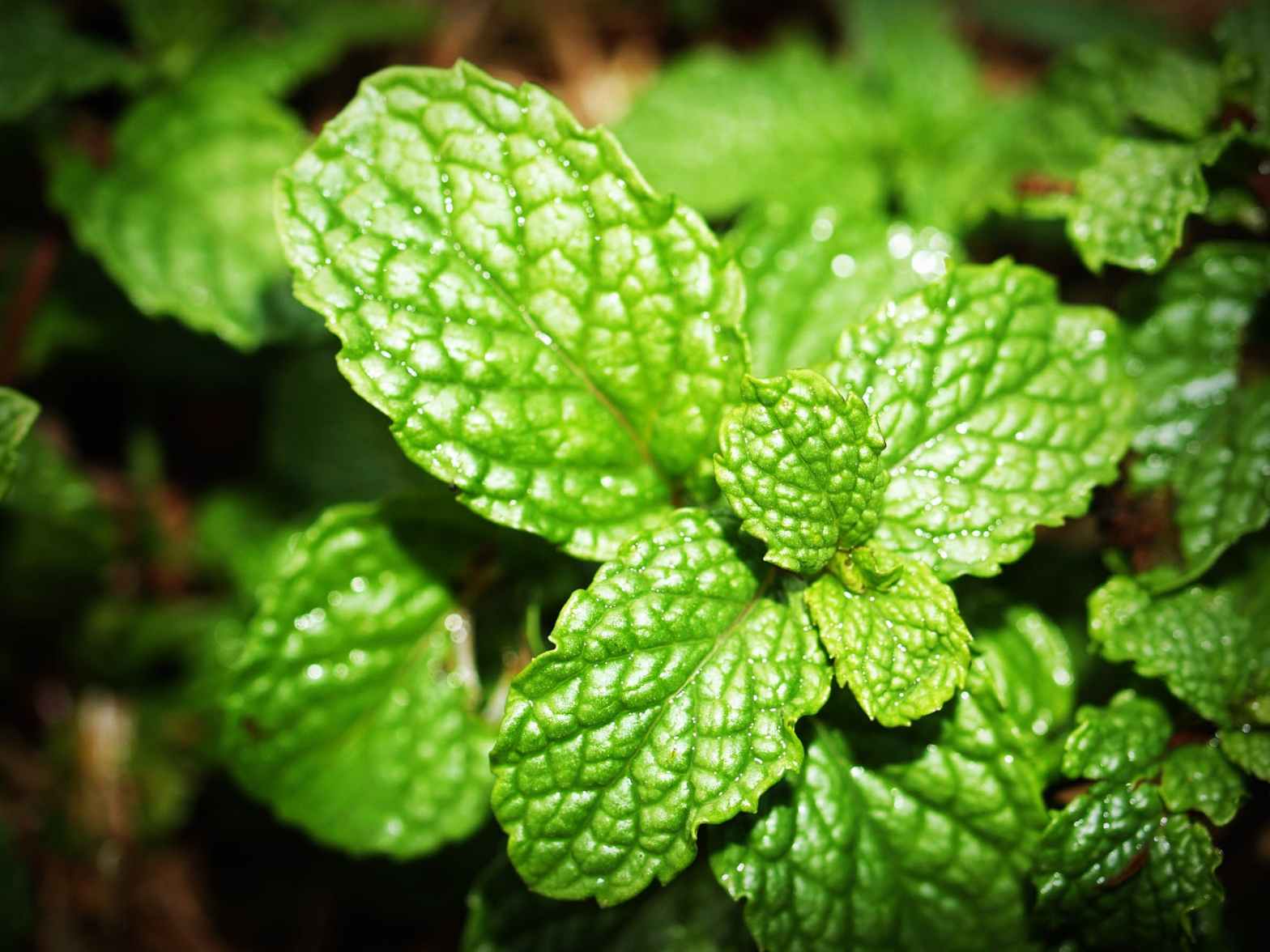
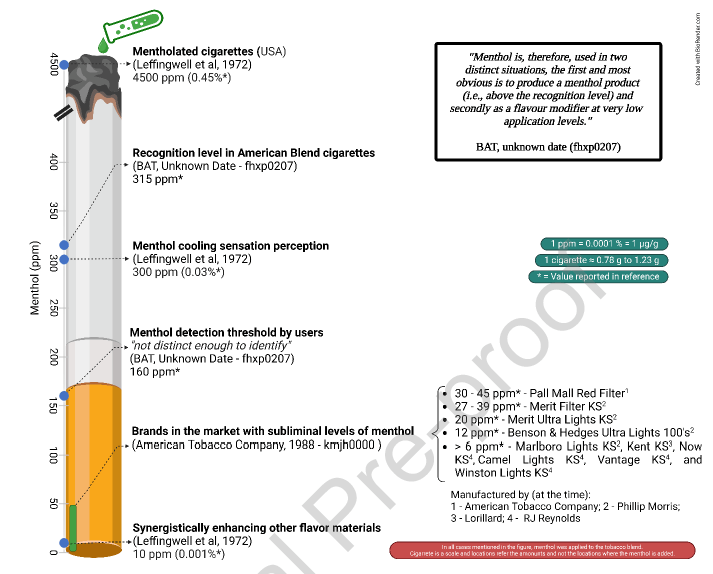
While most countries, including the US FDA, regulate menthol as a “characterizing flavor” — at levels that impart a discernible taste — previously secret tobacco industry documents show that tobacco companies have long used menthol at subliminal levels — below levels that impart a discernible taste — to reduce smoke harshness, reduce dryness, increase smoke coolness, and convert non-menthol smokers to menthol.
These documents are summarized in the new paper “MORE THAN A ‘CHARACTERIZING FLAVOR’: MENTHOL AT SUBLIMINAL LEVELS IN TOBACCO PRODUCTS” that Andre Luiz Oliveira da Silva, Lauren Lempert and I just published in Drug and Alcohol Dependence.
Here the the paper’s highlights:
- The use of subliminal menthol in cigarettes started in the 1950’s and was associated with the rise of filtered cigarettes to compensate for the loss of flavor caused by removal of smoke condensates.
- Tobacco companies use menthol in “non-menthol” cigarettes at subliminal (non-perceptible by the consumer) levels to reduce smoke harshness, reduce dryness, increase smoke coolness, and convert non-menthol smokers to menthol.
- Countries adopting rules restricting menthol in cigarettes and other tobacco/nicotine products should prohibit menthol as an additive, not merely as a “characterizing flavor.”
A strong implication of these findings is that all menthol (and its analogues) should be prohibited, not just menthol as a “characterizing flavor” in order to keep the companies from using menthol to maintain nicotine addiction. As we state in the paper:
A few countries have issued regulations prohibiting all menthol in tobacco products, including Brazil and Canada. The Netherlands banned all menthol in electronic cigarettes beginning in 2025, where additives used to facilitate inhalation or nicotine uptake, including TRPM8 receptor agonists, menthol (and derivates), synthetic coolants and geraniol where banned. Most countries that regulate menthol deal only with perceptible menthol, i.e., menthol as a “characterizing flavor,” not as an additive, leaving subliminal menthol unregulated. For example, FDA’s proposed product standard prohibiting menthol in cigarettes and California and the Europe an Union laws prohibiting the sale of flavored tobacco products refer to “characterizing flavors”. Continuing to allowing subliminal menthol leaves open the possibility that tobacco companies will still be able to use menthol.facilitate consumption through irritation reduction, including facilitating smoking initiation.
There is no scientific or health justification for allowing menthol, its derivatives, and/or synthetic cooling chemicals as tobacco/nicotine product additives or flavor add-ons at any concentration. The industry research and product development activities described here indicate that just prohibiting menthol as a characterizing flavor is at best an incomplete regulatory approach. [citations deleted]
We do not know what decision the FDA made on subliminal menthol as part of its menthol rules that have been blocked by the White House and sent back to FDA for “additional consideration.” Bad as this is, this additional delay creates time for the FDA to ensure that its final product standard includes menthol (and its analogues) as additives, not just as a characterizing flavor. Colleagues at UCSF and elsewhere and I submitted a public comment to FDA on its proposed menthol rules suggesting this and providing citations to the relevant scientific literature, so FDA has material in the docket that would permit it to issue a comprehensive rule (if the Biden White House allows them to do it).
Here is the abstract:
INTRODUCTION: In addition to imparting flavor, menthol in menthol-flavored cigarettes enhances nicotine addiction and increases experimentation, initiation, and progression to regular smoking. Menthol can be added to cigarettes at perceptible levels (so-called flavored cigarettes or characterized flavored cigarettes) or non-perceptible levels (subliminal). Our objective was to understand the reasons that tobacco companies use subliminal menthol.
METHODS: We identified previously secret internal tobacco company documents dated 1955 to 2012 in the Truth Tobacco Industry Documents archive on menthol at subliminal levels.
RESULTS: Beginning in at least the 1950s, tobacco companies used subliminal menthol to compensate the flavor loss caused by filters, reduce smoke harshness, reduce dryness, and increase smoke coolness. Varying menthol concentrations were considered to help convert people who smoke non-menthol to menthol brands, possibly because people who smoke menthol have more difficulty quitting than people who smoke non-menthol cigarettes.
CONCLUSIONS: Menthol is an important additive beyond its function as a “characterizing flavor.” Tobacco companies use menthol in “non-menthol” cigarettes at subliminal (non-perceptible by the consumer) levels to improve taste, make them easier to smoke and facilitate initiation, and possibly convert people who smoke non-menthol cigarettes to menthol cigarettes.
The full citation is: Andre Luiz Oliveira da Silva, Lauren K. Lempert, Stanton A. Glantz.
MORE THAN A “CHARACTERIZING FLAVOR”: MENTHOL AT SUBLIMINAL LEVELS IN TOBACCO PRODUCTS. Drug and Alcohol Dependence. 2024, 111346, ISSN 0376-8716,
https://doi.org/10.1016/j.drugalcdep.2024.111346. (https://www.sciencedirect.com/science/article/pii/S0376871624002679). A toll-free link is here.
 Stanton Glantz blog
Parabéns, pelo tema ! Não, ao cigarro !
LikeLike
Great article. Finally we are getting to the bottom of this issue. The FDA proposal is a half step; we need menthol removed as an ingredient!
Thanks Stan
Phil G.
LikeLike