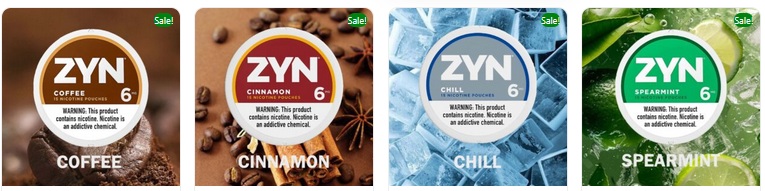
My colleagues at UCSF and Stanford have submitted this public comment to FDA opposing its approval of Swedish Match (owned by Philip Morris International) claim that ZYN is less dangerous because of particular adverse effects on youth (PDF). The TPSAC tracking number is mk4-kp68-wmg2 and the general docket tracking number is mk5-q1p5-yauh on Regulations.gov.
FDA should not authorize the marketing of 20 flavored ZYN nicotine pouches with the modified risk claim, “Using ZYN instead of cigarettes puts you at a lower risk of mouth cancer, heart disease, lung cancer, stroke, emphysema, and chronic bronchitis” because these products will likely have harmful health impacts on youth
Docket No. FDA-2025-N-0835 for “Modified Risk Tobacco Product Applications:
Applications for ZYN oral pouch products containing nicotine derived from tobacco submitted by Swedish Match U.S.A., Inc.’’
Pamela Ling, MD; MPH; Lauren Lempert JD, MPH; Bonnie Halpern-Felsher, PhD;1 Stanton A. Glantz, PhD; Benjamin Chaffee, DDS, MPH, PhD; Dorie E. Apollonio, PhD MPP; Stella A. Bialous, RN, DrPH
University of California, San Francisco
1 Stanford University School of Medicine, Department of Pediatrics
January 7, 2026
Swedish Match has applied for permission to market 20 flavored ZYN nicotine pouches (Chill, Cinnamon, Citrus, Coffee, Cool Mint, Menthol, Peppermint, Smooth, Spearmint, and Wintergreen in two nicotine strengths – 3 mg and 6 mg) with the modified risk claim, “Using ZYN instead of cigarettes puts you at a lower risk of mouth cancer, heart disease, lung cancer, stroke, emphysema, and chronic bronchitis.”To be granted a Modified Risk Tobacco Product (MRTP) order permitting marketing ZYN with this claim, the company must demonstrate that the product, as actually used byconsumers, will continue to both:
“1) Significantly reduce harm and the risk of tobacco-related disease to individual tobacco users; and
2) Benefit the health of the population as a whole taking into account both users of tobacco products and persons who do not currently use tobacco products.”[1]
Swedish Match has failed to meet this statutory burden.
This comment describes the harmful health impacts on youth of authorizing the marketing of 20 flavored ZYN nicotine pouches with MRTP claims and why these harmful impacts provide ample reason for FDA to deny Swedish Match’s MRTP application for ZYN pouches.
As described in another comment we submitted to this docket, attached and incorporated by reference, Swedish Match failed to present scientific evidence that supports its claim that using ZYN nicotine pouches reduces the risk of the diseases cited. In particular, the company failed to provide sufficient evidence to support the claim that using ZYN will lower the risk of mouth cancer, and there is growing evidence that using ZYN increases the risk of cardiovascular disease and other negative oral health impacts including periodontal disease.[2] Youth-appealing flavorings in ZYN induce adolescent smokers to develop physical nicotine dependence quickly2 similar to flavorings in smokeless tobacco,[3] and increases the risk of dual- and poly-tobacco use that is associated with flavored tobacco products.[4]
Additionally, ZYN is not an FDA-approved nicotine replacement therapy (NRT), and Swedish Match did not and cannot demonstrate that ZYN could be used for cessation. Nevertheless, the aggressive marketing for ZYN nicotine pouches and the proposed MRTP marketing claims imply that these products can be used for cessation. These implied cessation messages are already reaching young people and motivating trial: a 2022 survey of US young adults found that the most common motivation for nicotine pouch use was to quit other tobacco products.[5]
Taken together, Swedish Match has failed to demonstrate that marketing ZYN nicotine pouches will benefit the public health.
1. ZYN sales and popularity among youth have skyrocketed in the past ten years
ZYN popularity has skyrocketed in the past ten years.[6], [7] Sales in the US increased from 163,000 units when ZYN was first introduced to the market in 2016 to 9.5 billion units in 2023.[8],[9] More than a billion units of oral nicotine pouch products were sold per month in 2024,[10] and that growth continues to explode. According to Neilsen sales data for the 52 weeks ending in August 2025, nicotine pouches increased in sales rapidly while the other major nicotine products declined, making them the fastest growing nicotine category in convenience stores,[11] which are popular among young people.[12]
Of particular concern, increasing nicotine pouch prevalence is seen among adolescents and young adults in the US.[13] Among high school adolescents in the US, oral nicotine pouch use more than doubled from 1.1% to 2.4% from 2021-2024,[14] and all indications suggest that that use will continue to increase. For example, an analysis of a 2021 cohort of California high-school adolescents and 2024 NYTS data[15] showed that oral nicotine products were the second most prevalent nicotine product, after e-cigarettes.[16] Oral nicotine product use among young adults aged 21-24 in the US have higher current use rates,9, [17], [18] and awareness and favorable perceptions of oral nicotine products are high among young adults.
Data from a large national sample of 13–40-year-olds, collected from November to December of 2021, also indicated high rates of nicotine pouch use: 17.9% of the sample overall ever used nicotine pouches, 10.5% used in the past 30 days, and 8.4% used in the past 7 days. Broken down by age, the findings showed that among adolescents 13-20 years old, 11.1%, 6.4%, and 5.1% reported using a nicotine pouch ever, in the past 30 days, and in the past 7 days, respectively. Most of the users of nicotine pouches reported using between 1-5 mg of nicotine, and 18% used 6-10 mg of nicotine. While 30% of the adolescents and young adults under age 21 reported using nicotine pouches 1-2 times, 21% reported using pouches 3-10 times, over 30% reported using them 11-30 times, and 12% reported even greater use. Among those who used pouches, 22.4% of those under age 21 reported using their pouch within 5 minutes of waking (a marker of addiction).[19]
A follow-up study using the same dataset addressed the brands used most among the nicotine pouch users, including the brands used most among ever and past 30-day pouch users. The study found ZYN was the most popular pouch used: among those who ever used, 30.9% of adolescents and young adults 13-20 years old, 31.9% of those 21-24, and 33.2% of adults used ZYN; among those who used in the past 30 days, 26.4% overall used ZYN, with 24.5% of adolescents, 24.3% of young adults, and 30% of adults reporting ZYN as their usual brand. A recent national study of 13–40-year-olds, with data collected from March through June of 2025 indicated the following preliminary results: 11.5% of the sample had ever used nicotine pouches, with 9.3% reporting having used ZYN. By age group: 4.7% of the adolescents, 10.5% of the young adults, and 19.4% of the adults had ever used pouches; 5% of the sample used pouches in the past 30 days, with 3.9% reporting ZYN use. Of concern was the finding that between 20% to 39% were susceptible to using ZYN.[20] See other studies for similar findings.[21]
Han and colleagues analyzed data from the 2023 and 2024 Monitoring the Futures survey of 10th and 12th graders. They found that lifetime nicotine pouch use increased from 3% in 2023 to 5.4% in 2024; past 12-month use increased from 2.4% to 4.6%, and past 30-day use increased from 1.3% to 2.6%, respectively. These data represent a 1.8-fold increase in lifetime use, a 2.0-fold increase in past 12-month use, and a 2.1-fold increase in past 30-day use. They also found that exclusive ever pouch use, without use of e-cigarettes, increased from .3% to .6% over the one-year time period, with increases in exclusive pouch use over the past 12 months going from .3% to 1.0% and exclusive past 30 day increasing from .2% to .9%.[22] Of note, adolescents are using multiple pouches at a time, and doing so multiple times throughout the day,[23] and other studies highlight the addictive potential in using nicotine pouches.[24] Further, adolescents who use ZYN and other nicotine pouches are predominantly using flavored pouches,[25] increasing the likelihood that they will develop nicotine dependence[26], [27] and increasing the likelihood of poly-tobacco product use.
FDA stated at page 13 and again at page 48 of the Decision Summary for the General Snus MRTP upon which the ZYN MRTP application relies, “Although the available evidence from epidemiological studies does not demonstrate significant youth initiation of snus products at this time, it is possible that marketing the product as a modified risk product could change this.” [28], [29] As described and cited above, multiple studies published since 2019 (see references 13-22) provide compelling evidence of significant youth initiation and an explosive increase of use among high school adolescents. So even relying on the General Snus MRTP order, it is essential for FDA to consider the growing evidence that ZYN nicotine pouches, as actually used and marketed, are impacting youth initiation. [30]
However, the law requires that the applicant provide evidence specific to ZYN, the product under consideration in the present application. It is a different product with different characteristics and marketing than General Snus. FDA should not rely on the General Snus MRTP order: it is essential that FDA consider the specific evidence that ZYN nicotine pouches, as actually used and marketed, are impacting youth initiation.
2. ZYN nicotine pouches are being aggressively marketed to young people
The tobacco industry has historically marketed flavored tobacco products to youth and young adults leading to high flavored tobacco use in these age groups;[31], [32] A 2022 study of young e-cigarette users found that 92% of 14- to 20-year-olds with past 30-day e-cigarette use report flavored product use.[33] Children and young adults exposed to advertisements for flavored tobacco products versus advertisements for nonflavored tobacco products have reported greater interest in trying flavored products, so exposure to advertising for flavored tobacco products is an important risk factor for flavored tobacco product use among adolescents.[34] ZYN nicotine pouches are being aggressively marketed to young people using flavors and other youth-appealing techniques, and an alarming number of middle and high school students use and/or are initiating with nicotine pouches. Therefore, Swedish Match cannot and has not demonstrated that marketing ZYN with MRTP claims will benefit the population as a whole, including youth and other non-users.
ZYN advertising has substantial youth appeal. A content analysis of 207 U.S.-based consumer-facing ZYN advertisements from January 2019 to June 2023 found that ZYN nicotine pouches were primarily advertised through digital media, which included online display, online video, and mobile ads. Over 90% of the ads included information on flavors, with the most popular flavors being peppermint and mint/cool mint. The percentage of ads featuring mint/cool mint and menthol flavors increased significantly following the merger between Swedish Match and Philip Morris International. The variety of flavors and strengths and ease of purchase were also common marketing claims in ZYN ads.[35] These advertising messages have been used consistently, with prior analyses of nicotine pouch product advertising also finding an emphasis on digital marketing, and ZYN’s most common claims to be “tobacco free” and emphasizing a variety of flavors and varieties.[36]
In controlled experimental studies, advertising flavors increases pouch product appeal to young adults; specifically cool mint, menthol and citrus flavors were more appealing than “smooth” flavored pouches.[37] Swedish Match has already developed “flavor ban approved” ZYN products with synthetic cooling agents to circumvent state and local policies prohibiting flavored tobacco products due to their appeal to youth. These products were tested and the study found that the synthetic cooling agents trigger cold/menthol receptors present in trigeminal and vagal neurons similar to menthol, imparting a similar cooling effect.[38] This indicates that Swedish Match is continuing to emphasize marketing flavors in nicotine pouch products, including in localities that prohibit flavored tobacco products.
In addition to traditional advertising, research has shown that social media influences youth, including the use of nicotine products, by increasing their social acceptability and desirability and lowering their harm perceptions.[39],[40],[41] The aggressive promotion of ZYN on social media highlights its appeal particularly to large numbers of young men. A recent study analyzed 250 TikTok videos from 2024 containing the most frequently used and engaged hashtags related to nicotine pouches at the time, #zyn, #zyns, and #nicotinepouch.[42] These TikTok videos generated a sum of 16,488,662 likes; 114,125 comments; and 1,930,115 shares. From the most common theme to the least, the themes were (1) the Zyn movement, (2) “boy heaven”, (3) product design: life does not need to stop, (4) unintended negative consequences, and (5) physical benefits: “It’s like Icyhot for your mouth.” The Zyn movement was a common hashtag under videos where Zyns were mentioned, signaling membership in a shared identity group, including how Zyns could become a part of someone’s lifestyle, how Zyns make life better and give a positive mood, and how Zyn can be a means for creative expression. The “boy heaven” theme portrayed Zyns as a source of pleasure and indulgence, often tied to male identity or relationships. Captions such as “perfect boy’s night” and “just a guy lunch” paired Zyns with alcohol or energy drinks, reinforcing the idea that Zyns were central to the ideal male social experience, akin to a personal “heaven on Earth.” Product design videos highlighted the convenience, discreteness, and shareability of nicotine pouch products, as well as the ability to use multiple at once. Content showed individuals using Zyns while working out, at work, and during everyday activities. A minority of videos showed unintended negative consequences, such as feeling “nic sick” from exposure to high levels of nicotine, particularly among first time users, frequently framed with humor or dramatic storytelling, and a few videos featured gum disease, dental changes, or potential adverse effects on physical health. The study concluded, “A primary finding is the resoundingly positive way in which ONPs, and Zyns in particular, were portrayed in TikTok videos (eg, “boy heaven,” “unintended negative consequences,” and “life doesn’t have to stop”).” The marketing and peer-to-peer promotion highlighted perceived benefits of Zyn while subtly leveraging masculinity and the male identity to normalize and glamorize use.
3. Consumer research shows ZYN and other nicotine pouches have substantial appeal to youth
Consumer research shows that exposure to nicotine pouch advertising increases intention to use the products among youth. Research with nicotine-naive adolescents found that after viewing advertising for nicotine pouches and other oral nicotine products, they were more likely to endorse greater willingness to use nicotine pouches than smokeless tobacco products.[43] Moreover, in a national study, adolescents who viewed ONP advertisements were more likely to endorse future ONP use intentions if they perceived the product to contain good-tasting flavors.[44] This study of over 6,000 US adolescents, young adults, and adults found that when shown marketing, ever-users liked and were likely to buy Zyn pouches compared to never users, and participants under 21 years felt equally targeted by Lucy and Zyn marketing. Liking Zyn marketing even a little bit compared to not at all increased the likelihood of buying ZYN pouches across age groups. After observing marketing, participants < 21 years were more likely to buy ZYN if they perceived marketing to contain messages about good tasting flavors (AOR 1.43, 1.09–1.87; 0.009) and helping to feel comfortable in social situations (AOR 1.38, 1.02–1.87; 0.033), and were more likely to buy Lucy if they felt it could be used anywhere (AOR 1.57, 1.05–2.33; 0.026).
Consumers also perceive that nicotine pouches are designed and advertised to appeal to young people. A qualitative study with adults who smoke found that after reviewing a promotional brochure and product image of nicotine pouches, most participants reported they felt the product was likely made for youth or young adults due to the flavors and concealability.[45] The study concluded the promotional material may promote youth and young adult nicotine product initiation, and dual use among those who smoke. Another review of research on nicotine pouches found rising appeal and prevalence of use among adolescents and young adults, and noted that young adult and adult consumers perceived oral nicotine products as being convenient, concealable, and usable in places where smoking or vaping is not allowed; those who used e-cigarettes (vs those who did not) had a higher prevalence of these beliefs.[46] A review of scientific evidence on nicotine pouches concluded that ONPs have qualities (e.g., flavors, marketing claims of “tobacco free”) that could increase appeal among youth and young adults, and these products can deliver nicotine at levels sufficient to cause dependence; widespread adoption of ONPs among otherwise nicotine-naive individuals may reduce their net public health benefit.[47]
Consumers also perceive that ZYN and other nicotine pouches will promote dual and poly-tobacco use, not substitution or cessation. Consumer research with adult smokers found that after viewing nicotine pouch promotional materials and images, participants perceived nicotine pouches as a product that would supplement rather than replace cigarette smoking. Most viewed the product as something to use with cigarettes rather than a way to quit cigarettes.[48]
4. Many product characteristics of ZYN and other nicotine pouches appeal to youth
As noted above, the flavors in ZYN and other oral nicotine pouches have substantial youth appeal. Product packaging for ZYN and other nicotine pouches can also increase appeal to youth. A study of the package images of nicotine pouch products found that colors were used to convey flavors and nicotine strength. All brands used specific colors to indicate specific flavors, such as blue for peppermint, green for wintergreen and other warm colors such as red for cinnamon and yellow for citrus. Some brands used lighter color schemes representing lower nicotine concentration and darker color schemes representing higher nicotine concentration. The nicotine pouch brands On!, Zeo, Zyn and Rogue used a mix of distinct and subtle color scheme transitions to signify nicotine concentration.[49]
In addition to flavors, ZYN nicotine pouch products were found to contain artificial sweeteners, including in products marketed as “unflavored” or “flavor ban approved” and the levels of sweeteners found in these products enhanced nicotine consumption in mice.[50] Another study of “unflavored” ZYN products with sweeteners and synthetic coolants found these products had similar chemical, sensory, and appeal profiles as the flavored ZYN pouches when tested with young adults in a double-blind randomized trial.[51]
5. The very high levels of nicotine in ZYN pouches may be associated with increased risk of nicotine poisoning in young children.
A July 2025 paper[52] found that the rate of nicotine pouch ingestions among children younger than 6 years increased by greater than 760% from 2020 to 2023, a period of time when the nicotine pouch market grew substantially. (This rate contrasts with the ingestion rates for other nicotine formulations, which decreased during this period.) Although nicotine pouch ingestions accounted for 1.4% of ingestions, they were 1.5 times more likely to be associated with a serious medical outcome and twice as likely to be associated with medical admission than other product formulations combined. The nicotine content of ZYN pouches (3 mg or 6 mg) is high and is released rapidly, and concern about the toxicity associated with unintentional nicotine pouch ingestions among young children has increased as more potent products are being marketed. Also, because ZYN pouches are sold in brightly colored tins that look like candy packages and nicotine pouches can also smell and taste like candy or mints they may be especially attractive to young children, heightening the risk of ingestion.[53], [54]
Conclusion:
FDA should not authorize the marketing of 20 flavored ZYN nicotine pouches with the proposed modified risk claim because these products will likely have harmful health impacts on youth. Swedish Match has failed to meet its statutory burden of demonstrating that ZYN nicotine pouches, as actually used by consumers, will continue to both significantly reduce harm and the risk of tobacco-related diseases to individual tobacco users, and will benefit the health of the population as a whole, including non-users such as youth. Our comment provides detailed evidence of the harmful health impacts on youth if ZYN pouches in 20 flavors and nicotine strengths were permitted to be marketed with MRTP claims and why these harmful impacts provide ample reason for FDA to deny Swedish Match’s MRTP application.
We showed that:
- ZYN sales and popularity among youth have skyrocketed in the past ten years
- ZYN nicotine pouches are being aggressively marketed to young people
- Consumer research shows ZYN and other nicotine pouches have substantial appeal to youth
- Many product characteristics of ZYN and other nicotine pouches appeal to youth
- The very high levels of nicotine in ZYN and other nicotine pouches may be associated with increased risk of nicotine poisoning in young children.
Taken together, Swedish Match has failed to demonstrate that marketing ZYN nicotine pouches will benefit the public health; therefore, FDA should deny MRTP authorization for these products.
[1] Family Smoking Prevention and Tobacco Control Act, section 911(g)(1), Public Law 111-31, 21 USC 387k (June
22, 2009).
[2] Ye, Dongxia, Rahman, Irfan, Emerging Oral Nicotine Products and Periodontal Diseases, International Journal of Dentistry, 2023, 9437475, 7 pages, 2023. https://doi.org/10.1155/2023/9437475
[3] Kostygina G, Ling PM. Tobacco industry use of flavourings to promote smokeless tobacco products. Tob Control. 2016 Nov;25(Suppl 2):ii40-ii49. doi: 10.1136/tobaccocontrol-2016-053212.
[4] Mantey DS, Omega-Njemnobi O, Montgomery L. Flavored tobacco use is associated with dual and poly tobacco use among adolescents. Addictive behaviors. 2019 Jun 1;93:269-73.
[5] Tosakoon S, Romm KF, Berg CJ. Nicotine pouch awareness, use and perceptions among young adults from six metropolitan statistical areas in the United States. Tobacco Prevention & Cessation. 2023;9(June):19. doi:10.18332/tpc/163243.
[6] Lyu JC, Ozga JE, Stanton CA, Hrywna M, Ganz O, Cornacchione Ross J, Sharma A, Ling PM. Advertising the leading US nicotine pouch brand: a content analysis of ZYN advertisements from 2019 to 2023. Tob Control. 2025 May 7:tc-2024-059145. doi: 10.1136/tc-2024-059145. Epub ahead of print. PMID: 40335264; PMCID: PMC12379097.
[7] Duan, Z., Henriksen, L., Vallone, D., Rath, J. M., Evans, W. D., Romm, K. F., Wysota, C., & Berg, C. J. (2024). Nicotine pouch marketing strategies in the USA: an analysis of Zyn, On! and Velo. Tob Control, 33(2), 154–163. https://doi.org/10.1136/tc-2022-057360
[8] Marynak KL, Wang X, Borowiecki M, et al. Nicotine Pouch Unit Sales in the US, 2016-2020. JAMA. Aug
10 2021;326(6):566-568. doi:10.1001/jama.2021.10366
[9] Global Issues: Nicotine Pouches. Accessed September 26, 2025.
pouches#:~:text=However%2C%20nicotine%20pouches%20contain%20either,young%20adults%20to%20e%
2Dcigarettes
[10] He Y, Zhang Z, Keller-Hamilton B, et al. Trends of oral nicotine pouch prices and sales by product
characteristics in the USA, 2021-2024. Tob Control. Jun 12 2025;doi:10.1136/tc-2024-059222
[11] Nicotine pouches. Category champions 2025. Convenience Store News. https://csnews.com/category-champions-2025?section=nicotine&mkt_tok=ODI1LUxTUC01NDUAAAGeuOKZJ-ms8GZYrFdhXlaxurjGYpPe1UNWcPGE1s95Xy2pDHUbWSzCQcWjv4MnuS0WVX08oJm74mzWRE2FL74TGXUBFXUCB_Du97lYQtOfhZJR.
[12] Russell, Z. Data: Younger Shoppers Gravitate Towards Convenience Stores. Store Brands. August 27, 2023. https://storebrands.com/data-younger-shoppers-gravitate-towards-convenience-stores
[13] Patel M, Kierstead EC, Kreslake J, Schillo BA. Patterns of oral nicotine pouch use among U.S.
adolescents and young adults. Prev Med Rep. Aug 2023;34:102239. doi:10.1016/j.pmedr.2023.102239
[14] Park-Lee E, Jamal A, Cowan H, et al. Notes from the Field: E-Cigarette and Nicotine Pouch Use Among
Middle and High School Students – United States, 2024. MMWR Morb Mortal Wkly Rep. Sep 5
2024;73(35):774-778. doi:10.15585/mmwr.mm7335a3
[15] Jamal A, Park-Lee E, Birdsey J, et al. Tobacco Product Use Among Middle and High School Students –
National Youth Tobacco Survey, United States, 2024. MMWR Morb Mortal Wkly Rep. Oct 17 2024;73(41):917-
924. doi:10.15585/mmwr.mm7341a2
[16] Harlow AF, Vogel EA, Tackett AP, et al. Adolescent Use of Flavored Non-Tobacco Oral Nicotine
Products. Pediatrics. Sep 1 2022;150(3)doi:10.1542/peds.2022-056586
[17] Couch ET, Halpern-Felsher B, Werts M, Chaffee BW. Use of Emerging and Conventional Oral Tobacco
Among Adolescent and Young Adult E-Cigarette Users. Subst Use Misuse. 2023;58(2):283-288.
doi:10.1080/10826084.2022.2161314
[18] Travis N, Warner KE, Goniewicz ML, et al. The Potential Impact of Oral Nicotine Pouches on Public
Health: A Scoping Review. Nicotine Tob Res. Mar 24 2025;27(4):598-610. doi:10.1093/ntr/ntae131
[19] Gaiha, S., Lin, C., Lempert, L., Halpern-Felsher, B. Use, marketing, and appeal of oral nicotine products among adolescents, young adults, and adults. Addictive Behaviors. 2023 May;140:107632. PMID: 36731224. DOI: 10.1016/j.addbeh.2023.107632.
[20] Liu, J. and Halpern-Felsher, B. Zyn and Other Oral Nicotine Pouch Use, Correlates, and Advertising Exposure among a National Sample of US Adolescents, Young Adults, and Adults, preliminary data
[21] Awareness and use of oral nicotine pouches among youth and young adults, 2022-2024: repeat cross-sectional surveys in Canada, England, the USA and New Zealand.
Reid JL, Burkhalter R, Ball J, Cummings KM, East K, Edwards R, Fong GT, Hyland A, O’Connor R, Hammond D. BMJ Public Health. 2025;3(2):e003457; Characterizing Oral Synthetic Nicotine Pouch Use in Post-Secondary Students. Turner WG, Natarajan B, Bignell EM, Lewis N, Adeseiye S, Sladen-Dew C, James MD, Hopman WM, Neder JA, Rodriguez-Llamazares S, Domnik NJ. J Community Health. 2025 Dec;50(6):1171-1178.
[22] Han, D-H., Harlow, A.F., Miech, R.A., Bae, D., Cho, J., Dai, H.D., Sussman, S.Y., Sanchez, L.M., Meza, L., & Leventhal, A.M. Nicotine Pouch and E-Cigarette Use and Co-Use Among US Youths in 2023 and 2024. JAMA Network Open, 2025;8(4):e256739. doi:10.1001/jamanetworkopen.2025.6739
[23] Gaiha, S., Lin, C., Lempert, L., Halpern-Felsher, B. Use, marketing, and appeal of oral nicotine products among adolescents, young adults, and adults. Addictive Behaviors. 2023 May;140:107632. PMID: 36731224. DOI: 10.1016/j.addbeh.2023.107632.
[24] For example: Mallock-Ohnesorg N, Rabenstein A, Stoll Y, et al. Small pouches, but high nicotine doses-nicotine delivery and acute effects after use of tobacco-free nicotine pouches. Front Pharmacol. 2024;15:1392027. doi:10.3389/fphar. 2024.1392027; Dowd AN, Thrul J, Czaplicki L, Kennedy RD, Moran MB, Spindle TR. A cross-sectional survey on oral nicotine pouches: characterizing use-motives, topography, dependence levels, and adverse events. Nicotine Tob Res. 2024;26(2):245-249. doi:10.1093/ntr/ntad179
[25] For example: Reid JL, Burkhalter R, Ball J, Cummings KM, East K, Edwards R, Fong GT, Hyland A, O’Connor R, Hammond D. BMJ Public Health. 2025;3(2):e003457; Gaiha, S., Lin, C., Lempert, L., Halpern-Felsher, B. Use, marketing, and appeal of oral nicotine products among adolescents, young adults, and adults. Addictive Behaviors. 2023 May;140:107632. PMID: 36731224. DOI: 10.1016/j.addbeh.2023.107632.
[26] S. N. Cwalina, A. Majmundar, J. B. Unger, J. L. Barrington-Trimis, and M. A. Pentz, Adolescent menthol cigarette use and risk of nicotine dependence: findings from the national Population Assessment on Tobacco and Health (PATH) study. Drug and Alcohol Dependence, vol. 206, Article ID 107715, 2020.
[27] D. S. Mantey, M. B. Harrell, K. Case, B. Crook, S. H. Kelder, and C. L. Perry. Subjective experiences at first use of cigarette, e-cigarettes, hookah, and cigar products among Texas adolescents. Drug and Alcohol Dependence, vol. 173, pp. 10–16, 2017.
[28] FDA, Scientific Review of Modified Risk Tobacco Product Application (MRTPA) Under Section 911(d) of the FD&C Act – Technical Project Lead for Eight General Snus products submitted by Swedish Match USA, Inc. 10/22/2019. Available: https://www.fda.gov/media/131923/download?attachment
[29] Lindblom, Eric N. “The Tobacco Control Act’s PMTA & MRTP Provisions Mean to Protect the USA from Any New Tobacco Products That Will Not Reduce Health Harms – But FDA Isn’t Cooperating.” Journal of Health Care Law and Policy, vol. 23, no. 2, 2021, pp. 121-186. HeinOnline, https://heinonline.org/HOL/P?h=hein.journals/hclwpo23&i=124.
[30] Lindblom, Eric N. “The Tobacco Control Act’s PMTA & MRTP Provisions Mean to Protect the USA from Any New Tobacco Products That Will Not Reduce Health Harms – But FDA Isn’t Cooperating.” Journal of Health Care Law and Policy, vol. 23, no. 2, 2021, pp. 121-186. HeinOnline, https://heinonline.org/HOL/P?h=hein.journals/hclwpo23&i=124.
[31] Brown JL, Rosen D, Carmona MG, et al. Spinning a Global Web: Tactics Used by Big Tobacco to Attract Children at Tobacco Points-of-Sale. London, UK: BMJ Publishing Group Ltd; 2023. https://
doi.org/10.1136/tobaccocontrol-2021-057095.
[32] Kostygina G, Glantz SA, Ling PM. Tobacco industry use of flavours to recruit new users of little cigars and cigarillos. Tob Control. 2016;25(1):66-74. https://doi.org/10.1136/tobaccocontrol-2014-051830.
[33] Chaffee BW, Halpern-Felsher B, Croker JA, et al. Preferences, use, and perceived access to flavored e-cigarettes among United States adolescents and young adults. Drug Alcohol Depend Rep. 2022;3:100068. https://doi.org/10.1016/j.dadr.2022.100068.
[34] Clark D, Emmons K, Hanby E, Liu J, Reynolds MJ, Winickoff J, Tan AS. Adolescents’ Self-Reported Exposure to Advertisements for Flavored Tobacco Products After Implementation of a Statewide Ban on Flavored Tobacco Product Sales and Advertising in Massachusetts. Public Health Reports®. 2026 Jan;141(1):86-93.
[35] Lyu JC, Ozga JE, Stanton CA, et al. Advertising the leading US nicotine pouch brand: a content analysis of ZYN advertisements from 2019 to 2023. Tob Control. Published online May 7, 2025. doi:10.1136/tc-2024-059145 – https://pubmed-ncbi-nlm-nih-gov.ucsf.idm.oclc.org/40335264/
[36] Ling PM, Hrywna M, Talbot EM, Lewis MJ. Tobacco-Derived Nicotine Pouch Brands and Marketing Messages on Internet and Traditional Media: Content Analysis. JMIR Form Res. 2023 Feb 15;7:e39146. doi: 10.2196/39146. PMID: 36790840; PMCID: PMC9978966.
[37] Vogel EA, Tackett AP, Unger JB, Gonzalez MJ, Peraza N, Jafarzadeh NS, Page MK, Goniewicz ML, Wong M, Leventhal AM. Effects of flavour and modified risk claims on nicotine pouch perceptions and use intentions among young adults who use inhalable nicotine and tobacco products: a randomised controlled trial. Tob Control. 2025 May 15;34(3):315-322. doi: 10.1136/tc-2023-058382. PMID: 38148143; PMCID: PMC11199376.
[38] Jabba SV, Erythropel HC, Woodrow JG, Anastas PT, O’Malley S, Krishnan-Sarin S, Zimmerman JB, Jordt SE. Synthetic cooling agent in oral nicotine pouch products marketed as ‘Flavour-Ban Approved’. Tob Control. 2025 Jan 2;34(1):106-110. doi: 10.1136/tc-2023-058035. PMID: 37380351; PMCID: PMC10753027.
[39] Marynak KL, Robichaud MO, Puryear T, Kennedy RD, Moran MB. #Nicotineaddiction on TikTok: A quantitative content analysis of top-viewed posts. Tob Induc Dis. 2022 Aug 5;20:69. doi: 10.18332/tid/151868. PMID: 35979474; PMCID: PMC9353672.
[40] Morales M, Fahrion A, Watkins SL. #NicotineAddictionCheck: Puff Bar Culture, Addiction Apathy, and Promotion of E-Cigarettes on TikTok. Int J Environ Res Public Health. 2022 Feb 5;19(3):1820. doi: 10.3390/ijerph19031820. PMID: 35162846; PMCID: PMC8835227.
[41] Vassey J, Vogel EA, Unger JB, Cho J, Bae D, Donaldson SI, Allem JP. Impact of Instagram and TikTok influencer marketing on perceptions of e-cigarettes and perceptions of influencers in young adults: a randomised survey-based experiment. Tob Control. 2025 Feb 13:tc-2024-059021. doi: 10.1136/tc-2024-059021. Epub ahead of print. PMID: 39947698; PMCID: PMC12343919.
[42] Mand A, Fonteyne K, Struik L. Examining How Oral Nicotine Pouches Are Trending on TikTok: A Qualitative Descriptive Study. JMIR Form Res. 2025;9:e73032. Published 2025 Nov 14. doi:10.2196/73032 – https://pubmed-ncbi-nlm-nih-gov.ucsf.idm.oclc.org/41236804/
[43] Tackett AP, Wong M, Cho J, Harlow AF, Vogel EA, Han DH, Barrington-Trimis JL, McConnell R, Budney AJ, Audrain-McGovern JE, Lerman C, Monterosso J, Leventhal AM. Willingness to Use Commercial Nicotine Gums, Lozenges, and Gummies Among Nontobacco Using Adolescents in Southern California. J Adolesc Health. 2023 Feb;72(2):277-286. doi: 10.1016/j.jadohealth.2022.09.027. Epub 2022 Dec 2. PMID: 36470691; PMCID: PMC9994582.
[44] Gaiha, S., Lin, C., Lempert, L., Halpern-Felsher, B. Use, marketing, and appeal of oral nicotine products among adolescents, young adults, and adults. Addictive Behaviors. 2023 May;140:107632. PMID: 36731224. DOI: 10.1016/j.addbeh.2023.107632.
[45] Clark SA, Baler G, Jarman KL, Byron MJ, Goldstein AO, Ranney LM. Qualitative perspective on nicotine pouches from adults who smoke cigarettes in North Carolina. Tob Control. 2025;34(3):378-381. Published 2025 May 15. doi:10.1136/tc-2023-058334 – https://pubmed-ncbi-nlm-nih-gov.ucsf.idm.oclc.org/38307719/
[46] Felicione NJ, Ozga JE, Eversole A, et al. Oral Nicotine Pouches: Rising Popularity and State of the Science. Public Health Rep. Published online April 28, 2025. doi:10.1177/00333549251313668 – https://pubmed-ncbi-nlm-nih-gov.ucsf.idm.oclc.org/40293136/
[47] Zamarripa CA, Dowd AN, Elder HJ, et al. A comprehensive review on oral nicotine pouches: Available scientific evidence and future research needs. Exp Clin Psychopharmacol. 2025;33(2):123-132. doi:10.1037/pha0000755 – https://pubmed-ncbi-nlm-nih-gov.ucsf.idm.oclc.org/39621395/
[48] Clark SA, Baler G, Jarman KL, Byron MJ, Goldstein AO, Ranney LM. Qualitative perspective on nicotine pouches from adults who smoke cigarettes in North Carolina. Tob Control. 2025;34(3):378-381. Published 2025 May 15. doi:10.1136/tc-2023-058334 – https://pubmed-ncbi-nlm-nih-gov.ucsf.idm.oclc.org/38307719/
[49] Alalwan MA, Long L, Alvarado E, Kaareen A, Stevens EM, Shang C, Roberts ME, Shoben AB, Klein EG, Qiu Z, Mays D. Colour attributes in packaging of oral nicotine pouches: an artificial intelligence guided analysis. Tob Control. 2025 Nov 28:tc-2025-059530. doi: 10.1136/tc-2025-059530. Epub ahead of print. PMID: 41314800.
[50] Jabba SV, Silinski P, Yang AY, Ouyang W, Jordt SE. Artificial Sweeteners in US-Marketed Oral Nicotine Pouch Products: Correlation with Nicotine Contents and Effects on Product Preference. Nicotine Tob Res. 2024 Dec 5:ntae293. doi: 10.1093/ntr/ntae293. Epub ahead of print. PMID: 39656927; PMCID: PMC12466937.
[51] Peraza N, Thakur RS, Jabba SV, Aguilera J, Martines PW, Brinkman MC, et al. Pre- and Post-Flavor Ban Oral Nicotine Pouches: A Chemical, Sensory, and Young Adult Appeal Analysis. medRxiv. 2025:2025.12.10.25341992. (Pre-print – not peer-reviewed)
[52] Olivas M, Hays HL, Kistamgari S, et al. Nicotine Ingestions Among Young Children: 2010–2023. Pediatrics.
2025;156(2):e2024070522
[53] Shaikh SB, Newton C, Tung WC, et al. Classification, perception, and toxicity of emerging flavored oral nicotine pouches. Int J Environ Res Public Health. 2023;20(5):4526. PubMed doi: 10.3390/ijerph20054526
[54] Gaunt MJ. Kids can mistake nicotine lozenges for candy or mints. Pharmacy Times. 2014;80(2). Updated February 14, 2014. Accessed November 25, 2024. https://www.pharmacytimes.com/view/kids-can-mistake-nicotine-lozenges-for-candy-or-mints
 Stanton Glantz blog